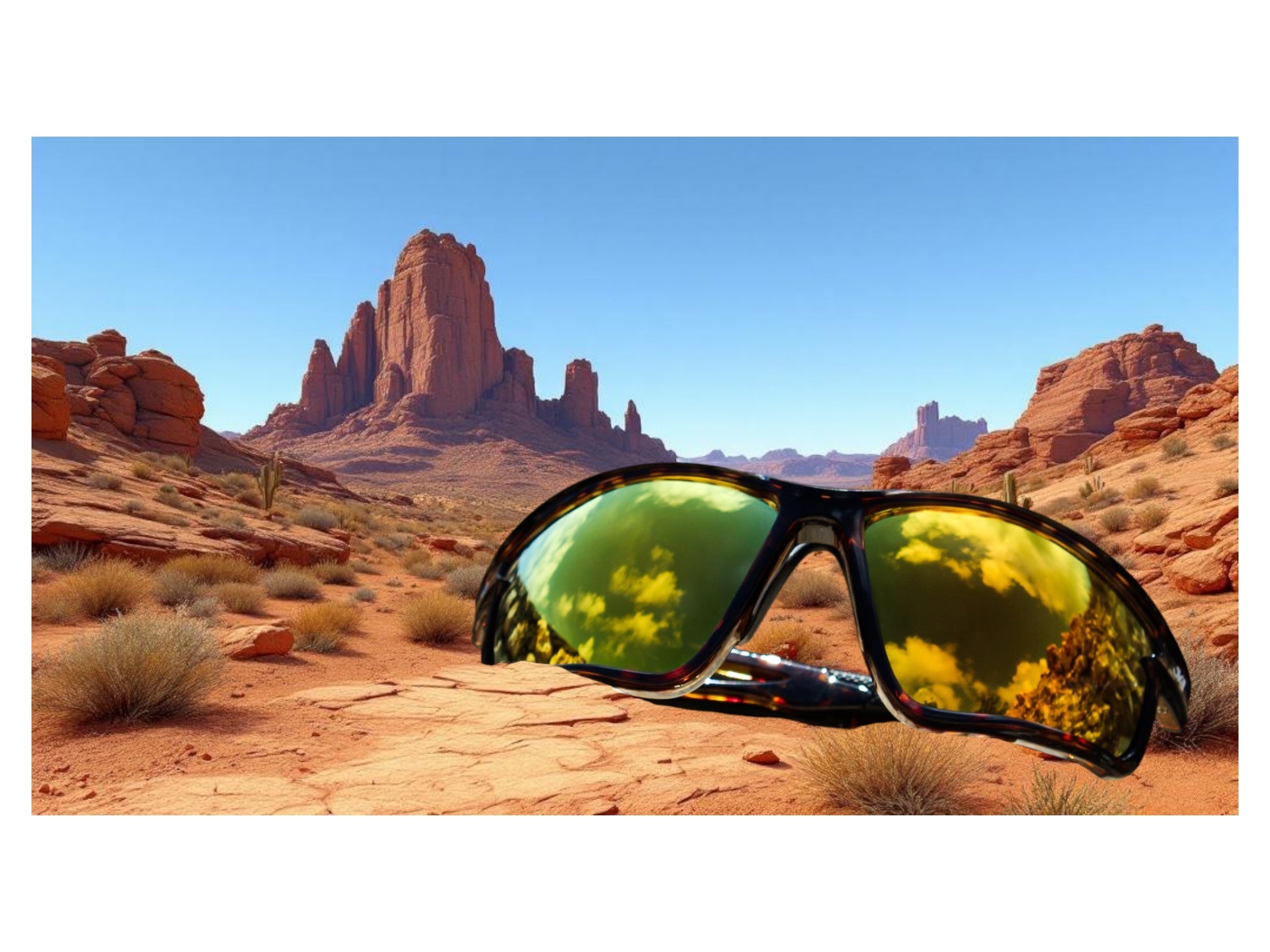

Introduction to Cross Country Racing Sunglasses
Cross country racing sunglasses are an essential gear for bikers navigating diverse terrains and challenging environmental conditions. These specialized sunglasses are designed to provide both practical functionality and optimum performance, making them a critical tool for cycling enthusiasts and professional racers alike. By addressing the specific needs of riders, they help enhance focus, boost safety, and improve overall riding efficiency.
The primary role of cross country racing sunglasses is to safeguard the eyes from harmful UV rays, dust, wind, debris, and other environmental hazards that bikers encounter while riding. Advanced lenses incorporated in many models not only protect against these elements but also enhance visual clarity, allowing riders to perceive obstacles and terrain variations more effectively. This improvement in visibility is particularly crucial when biking at high speeds or through unpredictable trails.
Modern racing sunglasses are built with high-grade materials that balance durability, lightweight construction, and comfort. The frame design prioritizes aerodynamic efficiency while ensuring a snug fit, preventing the sunglasses from slipping even during intense movements. Many products also feature rubberized or adjustable temple ends and nose pads for added stability on bumpy terrains.
Runners and bikers often choose racing sunglasses for their adaptability to changing light conditions. Photochromic lenses, for example, automatically adjust their tint based on the surrounding brightness, providing seamless transitions as bikers move from shaded areas to direct sunlight. Polarized lenses, another popular option, minimize glare from reflective surfaces like water and asphalt, further enhancing visibility while reducing eye strain.
Technological advancements have expanded the functionalities of racing sunglasses beyond protection and comfort. Certain models include interchangeable lenses for varying weather scenarios, while others integrate anti-fog or hydrophobic coatings to maintain clear vision during strenuous activities. Some brands even feature innovative ventilation systems that reduce fog buildup and improve airflow around the eyes.
For bikers looking to balance style and practicality, cross country racing sunglasses are available in a wide range of designs and colors. While manufacturers focus heavily on performance-driven features, aesthetic appeal is not overlooked. Riders can choose models that complement their cycling gear without compromising on essential specifications.
The Importance of Eye Protection in Biking
Eye protection serves as an essential element for bikers, particularly for those involved in cross-country racing. The dynamic nature of this sport exposes cyclists to a variety of potential risks, many of which can have a direct impact on their vision and overall safety. Having adequate eyewear not only benefits performance but also contributes to long-term eye health.
A significant risk faced by bikers is the exposure to environmental debris. Twigs, loose gravel, dust particles, and even insects can be propelled toward the eyes at high speeds. In cross-country racing, where bikers ride through rough terrain and wooded areas, the potential for these incidents increases exponentially. Without proper protection, these obstacles can cause momentary vision impairment, which may lead to accidents or injuries.
Additionally, bikers encounter harmful ultraviolet (UV) rays from prolonged sun exposure. Extended exposure to UV radiation can increase the risk of developing cataracts or other vision-related disorders. Quality sunglasses designed for biking come equipped with UV protection, creating a safeguard against these harmful rays while ensuring the biker maintains visual clarity throughout the race.
Another crucial factor is wind resistance. The high speeds achieved during cycling can result in wind directly hitting the eyes, causing dryness, irritation, and decreased focus. Protective eyewear acts as a barrier, preventing these issues and allowing the rider to concentrate fully on the trail ahead.
For evening or low-light rides, protection against headlight glare or reflective surfaces becomes equally crucial. Glare can temporarily blind bikers and compromise their ability to react swiftly. Specialized biking sunglasses often include anti-glare features to enhance visibility, even under challenging lighting conditions.
Moreover, sudden weather changes such as rain or fog can significantly affect visibility and comfort. Sunglasses with weather-resistant coatings help improve vision clarity during these conditions, giving bikers an edge in performance.
How Sunglasses Improve Visibility on the Trail
Cross country racing demands excellent clarity and keen vision to navigate complex trails. Sunglasses play a crucial role in enhancing visibility by addressing various factors that can impede a biker’s ability to see clearly.
One key improvement provided by sunglasses is protection against glare. Bright sunlight reflecting off surfaces such as rocks, water, or dusty ground can create intense glare, making it more difficult to focus on the trail ahead. High-quality sunglasses with polarized lenses minimize glare by filtering out horizontal light waves, ensuring that bikers maintain a crisp and undistracted field of vision.
Sunglasses also enhance contrast, which is essential for trail visibility. The terrains encountered during cross country racing often have varied textures and subtle changes in shading that signal upcoming obstacles or uneven areas. Lenses with specialized tints, like amber or brown, can boost contrast perception, helping riders identify trail features more easily, even in low light scenarios such as dense forests or during dawn and dusk hours.
Environmental elements, such as dust, wind, and small flying debris, can significantly hinder visibility and create discomfort while riding. Sunglasses act as a physical barrier, shielding the eyes from these factors, thereby allowing increased focus on the trail without interruption. Additionally, many models feature wraparound designs that provide enhanced coverage, preventing irritants from entering from the sides.
UV rays add another layer of concern for bikers, as prolonged exposure to these harmful rays can strain the eyes and compromise vision quality. Sunglasses with 100% UV protection reduce this risk, maintaining optimal eye health while improving trail visibility under sunny conditions.
Furthermore, changes in lighting conditions can occur frequently during cross country races, especially as riders pass through shaded areas or open terrain. Photochromic lenses, which adjust their tint based on light intensity, offer seamless adaptability, ensuring consistent visibility across changing environments without the need to switch eyewear.
For bikers tackling challenging trails and varying conditions, sunglasses provide both immediate visual clarity and necessary safety enhancements.
UV Rays and Their Impact on Cyclists’ Vision
Ultraviolet (UV) rays are a significant consideration for cyclists due to their potential to damage the eyes over time. Spending hours under the sun while riding exposes cyclists to increased levels of UV radiation, which can penetrate the eye even on overcast days. Prolonged exposure can lead to both immediate discomfort and long-term vision issues.
The primary concern with UV radiation is its ability to harm various parts of the eye. Overexposure can cause photokeratitis, a painful condition often described as sunburn of the cornea. It can lead to temporary vision impairment, redness, and a gritty sensation in the eyes, which can severely affect cyclists’ performance and safety during rides. Additionally, chronic exposure to UV rays increases the risk of serious eye diseases, such as cataracts, macular degeneration, and retinal damage.
Cyclists are also particularly vulnerable to UV rays due to reflective surfaces. Roads, water, and even snow can intensify UV radiation by reflecting it directly into the eyes. This increases the need for adequate protection during different seasons and terrains. Riders traveling at varying elevations face an extra challenge, as UV exposure intensifies at higher altitudes.
Cross country racing sunglasses are designed to counter these harmful effects. High-quality lenses equipped with 100% UV protection block all UVA and UVB radiation from reaching the eyes. Polarized lenses provide an added bonus by reducing glare, improving clarity, and protecting vision under diverse lighting conditions.
Protecting the eyes from UV rays ensures not only long-term visual health but also enhances a cyclist’s focus, comfort, and ability to react effectively to changing environments while racing.
Enhancing Safety with Shatterproof Lenses
Shatterproof lenses are a cornerstone in the design of high-quality cross-country racing sunglasses. Their role extends beyond mere vision clarity, offering critical protection during high-speed biking adventures. These lenses, crafted from advanced materials such as polycarbonate or Trivex, are designed to absorb impacts, making them exceptionally durable. This ensures that when faced with debris, rocks, or low-hanging tree branches, these lenses remain intact, safeguarding the biker’s eyes from potential injury.
Cycling on rugged trails exposes bikers to unpredictable conditions, including sudden falls or collisions. Shatterproof lenses mitigate risks associated with lens breakage during accidents. Unlike traditional glass or plastic lenses that can splinter under impact, these specialized lenses resist cracking, significantly reducing the likelihood of sharp fragments causing harm. This makes them an essential feature for riders navigating challenging terrains at high velocities.
Additionally, shatterproof lenses offer reliable performance in fluctuating environments. Whether cycling under direct sunlight or through shaded forest trails, they provide the same level of protection without compromising on functionality. Some models incorporate anti-scratch coatings to further enhance their durability, ensuring that even prolonged use does not diminish their safety-enhancing abilities.
Another advantage lies in their lightweight construction. Despite their robust design, shatterproof lenses remain lightweight, minimizing unnecessary burdens on the rider. This is particularly beneficial for long-distance biking, where comfort plays a crucial role in sustaining focus and performance.
Shatterproof lenses also integrate seamlessly with other protective features such as UV coatings. Together, these technologies form a comprehensive approach to eye protection, making shatterproof lenses indispensable for bikers prioritizing safety and performance in cross-country races.
Polarized vs. Non-Polarized Lenses: What Riders Should Know
Choosing between polarized and non-polarized lenses is critical for cross-country bikers as it significantly impacts visibility and overall riding experience. Both options serve unique purposes, and understanding their differences can help riders make informed decisions based on their needs and riding conditions.
Polarized Lenses: Reduced Glare and Clearer Vision
Polarized lenses are designed to reduce glare caused by reflective surfaces, such as wet roads, puddles, or car hoods. These lenses block horizontal light waves, allowing vertical light to pass through, resulting in sharper and clearer vision. For riders tackling routes under bright sunlight or near reflective terrain, polarized lenses can enhance comfort and performance.
Key Benefits of Polarized Lenses:
- Minimized glare for better focus and reduced eye strain.
- Enhanced perception of contrasts and textures on the trail.
- Improved safety when riding in low-visibility, high-glare conditions.
However, polarized lenses can sometimes interfere with viewing LCD screens, which might affect riders who rely on GPS devices or bike computers.
Non-Polarized Lenses: Versatility and Unaltered Depth Perception
Non-polarized lenses offer consistent light filtering, making them a versatile choice for varying lighting conditions. These lenses do not alter the way light is processed, ensuring no disruption to natural depth perception or the viewing of digital displays—a critical factor for bikers navigating through shaded trails and bright open areas.
Advantages of Non-Polarized Lenses:
- Uncompromised compatibility with digital screens.
- Better performance in low-light environments or shaded areas.
- Suitable for a wider range of outdoor conditions.
What Riders Should Consider
- Terrain and Weather: Polarized is ideal for bright, reflective environments, while non-polarized excels in mixed lighting.
- Digital Screen Use: Riders heavily reliant on technology may prefer non-polarized options.
- Personal Comfort: Some riders find polarized lenses distort vision in particular conditions, such as spotting icy patches.
By analyzing riding scenarios and priorities, bikers can select the lens type that best suits their trail challenges.
Comfort and Fit: Why Specialized Sunglasses Matter
Specialized sunglasses designed for cross-country racing prioritize comfort and fit to address the unique demands of cycling. When moving at high speeds over varied terrain, discomfort caused by ill-fitting eyewear can become a persistent distraction. High-quality racing sunglasses are engineered with ergonomic designs that conform to the biker’s face, ensuring a snug yet comfortable fit throughout long rides.
One key aspect of these sunglasses is the use of lightweight materials. Frames made from materials like polycarbonate or TR-90 ensure the sunglasses are durable without adding unnecessary weight. This minimizes pressure points around the nose and temples, allowing cyclists to focus on their ride without irritation. Many models also integrate adjustable nose pads and flexible arms that cater to a wide range of facial shapes, ensuring a customized fit for each rider.
Ventilation systems incorporated into the design of racing sunglasses reduce fogging and enhance airflow. Cyclists often face sweaty conditions, especially during intense climbs or in warmer climates, and poorly ventilated eyewear can impair vision. Advanced sunglasses use strategically placed vents to mitigate condensation, providing a clear field of view while maintaining comfort.
Secure fit is critical, as sunglasses slipping during a race could lead to reduced focus or even an accident. Specialized models often feature grippy rubberized finishes or silicone temples that prevent movement, even during rigorous physical activity or when encountering sweat. This attention to stability is crucial for maintaining confidence and performance during demanding cross-country trails.
Specialized sunglasses exemplify how paying attention to comfort and fit can enhance overall riding performance.
Reducing Eye Fatigue During Long Rides
Eye fatigue is a common issue for bikers, particularly during extended cross-country rides where constant exposure to varying light conditions and environmental factors can strain the eyes. Cross-country racing sunglasses address this challenge by offering features specifically tailored to reduce eye strain and optimize visual comfort.
One of the key benefits is lens technology designed to manage light exposure efficiently. Polarized lenses minimize glare caused by sunlight reflecting off surfaces such as water, asphalt, or metal. This reduction in glare prevents squinting, allowing bikers to maintain clearer vision over long periods and significantly reduce eye discomfort. Furthermore, lenses with UV protection safeguard eyes from harmful ultraviolet rays, which can be especially intense during outdoor rides. Prolonged exposure to UV radiation not only contributes to eye fatigue but also increases the risk of long-term damage like cataracts.
Advanced lens coatings further enhance visual clarity. Anti-reflective coatings prevent light reflections from distracting the rider, while hydrophobic and oleophobic coatings repel water and smudges, ensuring uninterrupted visibility. These coatings are particularly crucial during sudden weather changes or encounters with dusty and muddy trails that might otherwise compromise sightlines.
Proper fit and lightweight frame designs also play an important role in reducing strain. Comfortable sunglasses that sit securely on the face eliminate the need for constant adjustments during riding. This minimizes overall physical and mental fatigue, allowing the biker to focus on the road ahead without distractions. Adjustable nose pads and temple arms ensure that the sunglasses stay in place, even during vigorous movements or challenging terrain.
Transitioning between light conditions, such as moving from open sunlight to wooded areas, is another scenario that can lead to eye exhaustion. Photochromic lenses—which automatically adjust their tint based on light intensity—offer a seamless solution by enhancing visibility in fluctuating environments. Riders no longer need to pause or switch eyewear, enabling uninterrupted focus on the trail.
By mitigating factors that contribute to eye fatigue, racing sunglasses provide a practical solution to improve riding comfort and overall performance during long cross-country journeys.
Weather Adaptability: Tackling Sun, Wind, and Dust
Cross-country biking often exposes riders to unpredictable weather conditions and challenging terrains. Sunglasses designed for cross-country racing play a pivotal role in adapting to these environmental challenges, ensuring both safety and comfort during rides.
Shielding Against Sunlight
One of the most apparent benefits of biking sunglasses is their ability to combat intense sunlight. Extended exposure to UV rays can harm the eyes and strain vision, while glare from reflective surfaces such as water puddles or metal can impair focus. Sunglasses equipped with UV400 protection create a barrier against harmful ultraviolet rays, reducing strain and enabling riders to maintain optimal visual clarity. Mirrored or polarized lenses further minimize glare, offering superior visibility under the sunniest conditions.
Blocking Wind Hazards
Riding at high speeds in open terrains means confronting strong winds that can cause watery eyes and reduced visibility. Racing sunglasses provide a snug fit around the eyes, preventing wind from causing discomfort or hindering focus. Their aerodynamic designs ensure minimal airflow disruption, allowing bikers to maintain concentration even during gusty conditions. Proper-fitting sunglasses not only defend against wind-induced fatigue but also enhance overall riding efficiency.
Guarding Against Dust and Debris
Off-road trails are often rife with dust clouds, flying pebbles, and other debris stirred by tires. Sunglasses act as a physical shield, safeguarding the rider’s eyes from these hazards. Without this protection, small particles can enter the eyes, leading to irritation or even temporary vision impairment. Specialized lenses with anti-scratch coatings add durability, ensuring that visibility is not compromised during rigorous rides.
Enhancements for Adaptability
Modern cross-country biking sunglasses frequently feature interchangeable lenses to adapt to varied light and terrain conditions. Clear lenses are ideal for low-light or night rides, while tinted options cater to bright days. Many models also include anti-fog features, which are essential when moisture accumulates in humid or cold environments. This versatility ensures bikers remain prepared irrespective of the weather.
Proper eyewear transforms challenges like sun, wind, and dust into manageable aspects of the biking experience. Equipped with advanced features, cross-country racing sunglasses provide a vital edge in unpredictable weather scenarios.
The Role of Lightweight Designs in Performance
The design of cross-country racing sunglasses plays a pivotal role in enhancing performance by prioritizing lightweight construction. Riders in competitive environments require gear that maximizes both efficiency and comfort. Heavier eyewear can create distractions, putting strain on the face and temple areas during long, grueling rides. Lightweight designs address this concern by reducing unnecessary weight, allowing bikers to focus entirely on their ride.
Materials used in lightweight sunglass construction, such as polycarbonate and TR-90 nylon, contribute significantly to their overall functionality. These materials are not only durable but also exceptionally lightweight, ensuring that the sunglasses can withstand impacts while feeling nearly weightless on the rider’s face. This combination of strength and lightness allows cyclists to experience the benefits of robust protection without compromising on comfort.
Aerodynamics is another critical factor linked to lightweight designs. Slim, streamlined frames minimize wind resistance, enabling riders to maintain speed and control in varying terrains and conditions. By using lighter, more compact frames, these sunglasses ensure that bikers face less drag, which proves advantageous during inclines, sharp turns, and high-speed descents.
The fit of lightweight sunglasses is also worth noting. A snug but comfortable fit keeps the eyewear securely in place, regardless of sudden movements or challenging trail dynamics. By eliminating bounce and slippage, riders can maintain their focus without the need for constant adjustments.
Additionally, lightweight sunglasses enhance long-term comfort, especially during endurance races. Extended wear of heavier designs often causes fatigue or pressure buildup around the nose bridge and ears. Conversely, well-designed lightweight models prevent such discomfort, making them indispensable for competitive and recreational cyclists alike. This focus on ergonomic design ensures prolonged performance without sacrificing rider satisfaction.
Durability and Longevity: A Worthwhile Investment
Cross country racing sunglasses are specifically designed to endure the rigors of challenging terrains and fluctuating weather conditions, ensuring they remain reliable during intense biking sessions. The materials used in these sunglasses underline their durability, with frames often crafted from materials such as polycarbonate or TR90 nylon for exceptional strength and flexibility. These advanced materials offer resistance to bending, breaking, and cracking, which can occur during high-impact biking or rough handling.
Lenses are equally critical when evaluating durability. High-quality options are generally constructed with shatterproof materials like polycarbonate or NXT polyurethane, offering not only clarity but also resistance to scratches and impacts. The coatings applied to these lenses further enhance resilience, guarding against wear and tear caused by dust, mud, water, or excessive sunlight. This attention to detail ensures that bikers achieve long-term performance from their sunglasses without frequent replacements.
To complement durability, many cross country racing sunglasses feature reinforced hinges or adjustable temples designed to withstand repeated usage and adjustments. These components are vital, considering the movement and pressure they experience during biking. The integration of corrosion-resistant coatings also helps preserve the integrity of metal parts after exposure to sweat, rain, or humidity, which are common challenges during extended outdoor activities.
Cross country sunglasses are also engineered to maintain their shape and fit over time. The use of materials that resist warping or deforming ensures bikers experience consistent comfort and performance from their eyewear. This is especially beneficial when riding through unpredictable conditions that might typically compromise the reliability of standard sunglasses.
Investing in quality cross country sunglasses means committing to long-lasting performance. Their durability and longevity make them not only a practical choice but also an economical one, as bikers can rely on a sturdy and resilient pair for years without the need for constant upgrades or replacements.
Addressing Common Misconceptions About Racing Sunglasses
Racing sunglasses are often misunderstood by individuals who associate them solely with aesthetic appeal or unnecessary luxury. These misconceptions can lead bikers to undervalue their importance during cross-country racing. Below are the most common misunderstandings, clarified to highlight their essential utility.
Misconception 1: Sunglasses Are Only About Looks
Many believe that racing sunglasses are purely a style statement, but this is far from true. While their sleek designs often have visual appeal, functionality remains their core purpose. Racing sunglasses are engineered to protect bikers’ eyes from harmful UV rays, dust, debris, and excessive glare during extreme conditions. In cross-country biking, these elements can cause discomfort, distractions, and long-term damage to vision.
Misconception 2: Any Sunglasses Will Suffice
Casual sunglasses, while useful in daily life, lack the technical design needed for racing performance. Racing sunglasses feature shatter-resistant lenses to reduce the risk of injury during falls or collisions. Additionally, many models offer interchangeable lenses tailored for diverse light conditions—a feature absent in standard sunglasses. Comfort matters too; racing sunglasses are lightweight and crafted to stay secure during rugged movements, unlike non-specialized sunglasses.
Misconception 3: Sunglasses Impair Peripheral Vision
This myth stems from outdated designs. Modern racing sunglasses use precision engineering to combine full UV protection with enhanced optical clarity. Their wraparound shapes are designed to safeguard peripheral vision while minimizing blind spots, ensuring bikers maintain awareness of their surroundings at all times.
Misconception 4: They Aren’t Worth the Price
Specialized eyewear involves high-grade materials, advanced optical science, and ergonomic considerations to enhance a biker’s performance. The investment in such gear translates to tangible benefits, including reduced eye strain, sharper focus, and heightened confidence on unpredictable trails. Racers should evaluate them as safety equipment rather than a mere accessory.
Cross-country bikers can make informed purchasing decisions by dispelling these myths, enabling them to harness the advantages offered by racing sunglasses. Understanding their practical value ensures riders stay protected, comfortable, and competitive during challenging races.
Key Features to Look for When Buying Cross Country Racing Sunglasses
Choosing the right cross country racing sunglasses is essential for enhancing performance, comfort, and safety during biking adventures. Carefully evaluating features ensures a pair that meets both functional and personal preferences.
Lens Technology and Material
The quality of the lens matters significantly in cross country racing sunglasses. Lenses should be impact-resistant, lightweight, and durable to withstand rigorous conditions. Polycarbonate lenses are often preferred for their resilience. UV protection is a non-negotiable feature to shield riders from harmful sun exposure. Opting for polarized or photochromic lenses can minimize glare and adjust to varying light conditions, providing optimal vision regardless of terrain.
Frame Design and Durability
Frames need to be lightweight but robust to endure prolonged use and challenging trails. Materials like TR90 or nylon composites offer both flexibility and durability. Adjustable nose pads and temples contribute to a customized, secure fit, preventing slippage during intense movement. Ventilated frames help reduce fogging, ensuring clear vision in humid or wet environments.
Comfort and Ergonomics
A snug, ergonomic design enhances rider comfort over long distances. Wraparound styles ensure better coverage and protection, while ensuring superior peripheral vision. Foam padding or rubber grips on the contact points can prevent irritation and improve stability, especially when biking through uneven terrain.
Performance Features
Additional performance-focused features should be considered. Anti-fog coating protects against condensation, especially during high-intensity rides. Hydrophobic and oleophobic treatments on lenses repel water, sweat, and dirt, maintaining clarity. Compatibility with prescription inserts is another key feature for riders requiring vision correction.
Environmental Adaptability
Sunglasses that allow interchangeable lenses provide adaptability for diverse weather and lighting conditions. A selection of tints for low-light, midday sun, or overcast skies keeps vision optimal. For greater utility, riders should also prioritize dust and wind resistance to safeguard their eyes during rugged rides.
Stylish Aesthetics
While functionality takes precedence, aesthetics can also be important for bikers seeking to look and feel their best. Sleek designs and appealing color options can complement their gear while maintaining performance standards.
Investing in cross country sunglasses that address these critical features can enhance every rider’s experience, ensuring comfort and safety across challenging terrains.
Top Recommendations for Biking Enthusiasts
Cross country racing sunglasses are an essential accessory for bikers seeking optimal performance and protection on the trails. Carefully selecting the right gear ensures enhanced visibility, comfort, and safety during races. Below are some expert-driven recommendations for biking enthusiasts when choosing sunglasses designed for rigorous cross-country adventures:
Features to Look For in Cross Country Racing Sunglasses
UV Protection: Sunglasses designed for cross-country biking should offer 100% UV protection to shield the eyes from harmful rays during extended outdoor sessions.
Lens Technology: Opt for high-definition or polarized lenses to reduce glare, enhance contrast, and improve visual clarity. Photochromic lenses, which adjust to varying light conditions, further elevate the experience.
Durability: Materials like polycarbonate or TR90 ensure the sunglasses can withstand impacts, resist scratches, and hold up against the demanding environment of biking trails.
Lightweight Design: Lightweight frames reduce pressure on the bridge of the nose and ears, which is critical for prolonged use. Ensure that the weight is evenly distributed for a seamless fit.
Ventilation: Top-tier sunglasses feature ventilation to minimize fogging during intense rides, especially under humid or rainy conditions.
Essential Care Tips
- Regular Cleaning: Use microfiber cloths and lens-safe cleaning solutions to maintain clarity and avoid scratches.
- Proper Storage: Storing sunglasses in a protective case when not in use preserves their longevity and prevents damage.
Leading Brands for Cross Country Racing Sunglasses
- Oakley: Offers a wide range of performance-oriented designs with advanced PRIZM lens technology.
- Rudy Project: Known for durable frames and adaptable lens systems that cater to changing light conditions.
- Smith Optics: Recognized for comfortable, lightweight designs and innovative anti-fog solutions.
Additional Accessories to Consider
- Lens Inserts: Prescription lens inserts ensure vision precision for riders with corrective eyewear needs.
- Retainer Straps: Straps ensure the sunglasses remain secure during high-speed descents and aggressive rides.
- Replacement Lenses: Investing in extra lenses with varying tints allows riders to adapt to diverse terrains and weather conditions.
For biking enthusiasts, selecting the right pair of racing sunglasses is about achieving harmony between performance, protection, and comfort while navigating challenging trails.
Conclusion: Why Cross Country Racing Sunglasses Are Non-Negotiable
Cross country racing involves challenging terrains, varying weather conditions, and high-speed maneuvers, making enhanced visibility and eye protection crucial for bikers. Racing sunglasses address these needs comprehensively, offering features that significantly enhance safety, performance, and comfort. Not only do they shield the eyes from harmful UV rays, but they also safeguard against debris, dust, and unexpected elements that riders encounter on trails. The protective lens technology, combined with ergonomic designs, ensures bikers maintain optimum focus on the track.
An essential aspect of cross country racing sunglasses is their ability to reduce glare, which can prove dangerous in sudden light shifts, especially when transitioning between shaded and sunny areas. Polarized lenses effectively minimize these disruptions while improving the biker’s ability to distinguish obstacles or hazards. Furthermore, advanced lens coatings prevent fogging, fostering clear vision during rapid altitude changes or intense effort levels that can lead to perspiration.
The precision of fit is another critical factor, as ill-fitting sunglasses can compromise performance or cause discomfort over long rides. Modern designs provide customizable nose pads, adjustable temples, and lightweight frames, ensuring a snug yet comfortable grip even during the most demanding races. Durability is equally important; high-quality materials such as polycarbonate lenses and reinforced frames ensure longevity and resistance to impacts, an imperative in rugged racing environments.
In terms of aesthetics and versatility, racing sunglasses also offer bikers sleek, performance-oriented designs that cater to their personal and professional needs. They seamlessly combine functionality with style, making them an indispensable part of a biker’s arsenal—not merely an accessory but an essential tool for peak performance and protection in the world of cross country racing.