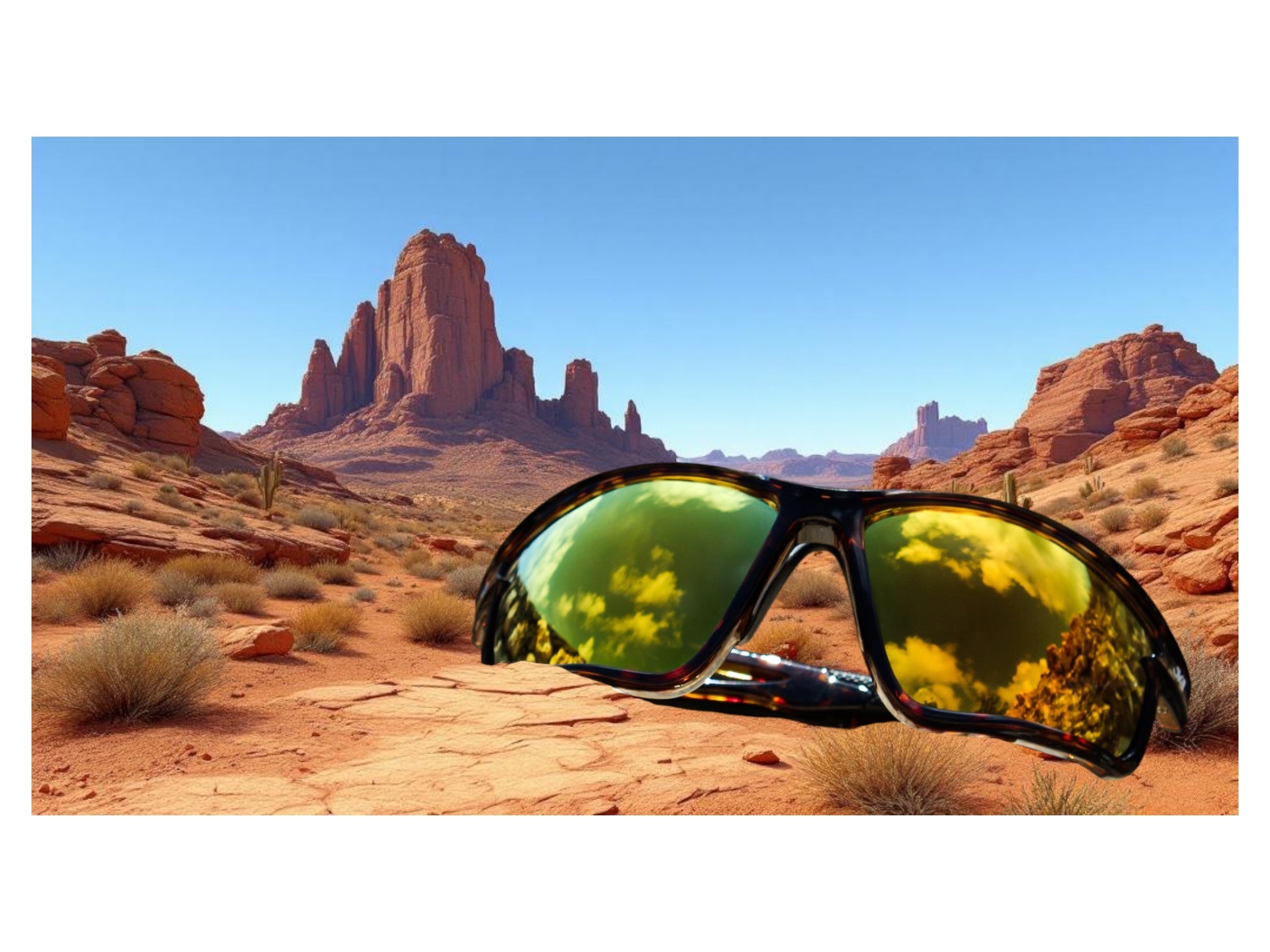

Introduction to Cross Country Racing Sunglasses
Cross country racing places unique demands on an athlete’s vision, requiring a specialized eyewear solution that provides optimum clarity, protection, and comfort. As racers traverse diverse terrain, face harsh environmental conditions, and adapt to ever-changing light levels, the choice of sunglasses becomes pivotal to performance. Cross country racing sunglasses are designed to address these challenges head-on, offering unparalleled features tailored to the specific needs of competitive athletes.
A proper pair of racing sunglasses brings multiple advantages, enhancing visibility and reducing strain on the eyes. These advanced eyewear solutions are built to shield against harmful UV rays, block debris like dirt or mud, and diminish glare from the sun. Comfort and durability are essential as races often span hours, with conditions ranging from biting cold to intense heat. Lightweight frames, non-slip nose pads, and secure grip technology are important considerations, ensuring that athletes can focus solely on their performance without distraction.
The lenses in high-quality cross country racing sunglasses typically incorporate innovative technologies such as polarization and photochromic adjustments. Polarized lenses are beneficial for reducing glare caused by reflections on water or snow, while photochromic lenses adapt to shifting light conditions, darkening or lightening automatically based on the environment. These tailored attributes optimize an athlete’s vision, allowing a clearer view of the challenging paths ahead.
Moreover, cross country racers must account for impact resistance. Sunglasses in this category are often designed with shatterproof materials like polycarbonate, safeguarding athletes from unexpected impacts during rugged races. Proper ventilation is another critical feature that prevents fogging and ensures unobstructed vision during strenuous activity.
From style considerations to cutting-edge functionality, cross country racing sunglasses are more than just accessories. They are an essential part of every racer’s toolkit, enabling them to stay ahead of the competition while protecting their eyes on challenging trails. As performance-driven technology becomes increasingly accessible, athletes must carefully choose products that balance practicality, durability, and innovation.
Why the Right Sunglasses Matter for Cross Country Racers
Cross country racing demands precision and endurance in diverse environments. Athletes face varying light conditions, unpredictable weather, and challenging terrain. The right sunglasses can significantly impact performance by addressing these environmental challenges and protecting the eyes from harm. Understanding the specific needs of cross country racers can help highlight why choosing quality sunglasses is more than just a matter of aesthetics.
Protection from UV Rays and Eye Strain
Cross country racers spend hours under direct sunlight, often in high-altitude areas where UV exposure is more intense. Prolonged exposure to ultraviolet rays can lead to long-term eye damage such as cataracts or macular degeneration. Premium sunglasses offer lenses with 100% UV protection, ensuring optimal safety against harmful radiation while reducing eye strain. Without quality sun protection, racers might experience discomfort, blurry vision, or fatigue during the race.
Improved Visibility in Dynamic Conditions
From wooded trails to open terrains, visibility can shift dramatically during a cross country race. Bright sunlight, glare from reflective surfaces like snow or water, and shaded areas all impact sightlines. Sunglasses with polarized or photochromic lenses automatically adjust to varying lighting conditions, allowing racers to maintain focus regardless of the contrast or changes in brightness. Enhanced visibility means faster reaction times and fewer distractions.
Resistance Against Debris and Impact
Runners frequently encounter airborne particles such as dust, dirt, or insects, which can cause irritation or injury to unprotected eyes. Glasses with shatterproof materials provide both protection and durability, ensuring they can withstand harsh conditions. Wraparound designs offer added coverage, reducing the risk of debris entering from side angles.
Enhanced Comfort and Fit
Ill-fitting sunglasses may slide down or pinch, causing discomfort and distraction. Lightweight frames and ergonomic designs are essential for long-duration races. Features like adjustable nose pads and flexible temples ensure the glasses remain secure and comfortable, allowing racers to focus solely on their performance.
Strategic Edge for Performance
In competitive racing, every detail matters. High-performance sunglasses with anti-glare coatings, fog-resistant features, and wide-angle lenses provide essential advantages. These technological advancements not only optimize vision but also enhance overall situational awareness—a crucial factor in navigating complex terrains quickly and safely.
Selecting the right pair of sunglasses is, therefore, an integral part of preparation for any cross country racer. The benefits extend beyond protection, influencing performance, comfort, and confidence during the race.
Key Features to Look for in Cross Country Racing Sunglasses
When choosing cross country racing sunglasses, specific features determine their functionality and performance. These factors can enhance a racer’s experience by providing clarity, comfort, and protection on unpredictable terrains.
Lens Technology
The lens is the centerpiece of any quality racing sunglasses. Look for polarized or photochromic lenses to reduce glare and adapt to varying light conditions. High-definition optics (HDO) technology improves visual clarity and detail, ensuring focus on trails and obstacles. Anti-fog coatings prevent condensation during intense physical activity, especially in humid environments.
Frame Design and Material
Cross country racers require durable yet lightweight frames for extended wear. Materials such as Grilamid TR-90 or polycarbonate provide strength without adding bulk. Wraparound frames offer maximum coverage to block wind, debris, and sunlight from all angles. Additionally, adjustable nose pads and temples allow for a customizable, secure fit.
UV Protection
Adequate UV protection is critical for safeguarding the eyes during long races. Look for lenses offering 100% UVA, UVB, and UVC protection to prevent damage from harmful rays. UV-blocking coatings are non-negotiable for outdoor sports.
Ventilation
Sunglasses with proper ventilation reduce moisture buildup and ensure comfort during high-performance activities. Frames with vented channels or lenses designed for airflow prevent overheating and fogging.
Impact Resistance
Cross country terrain can present unexpected hazards. Shatterproof lenses made of polycarbonate or impact-resistant resin shield the eyes from flying debris, branches, or accidental drops.
Grip and Stability
A non-slip grip on the nose and temples ensures the sunglasses stay in place even during rough movements. Rubber or silicone pads resist moisture and sweat, enhancing stability.
Selecting sunglasses tailored to cross country racing demands ensures optimal performance and protection. These features offer an edge in unpredictable conditions.
Lens Technologies: What Works Best for Cross Country Conditions
Cross-country racing demands visual clarity and adaptability. Selecting the right lens technology can significantly impact performance by enhancing visibility, blocking harmful rays, and minimizing distractions caused by changing light conditions. The choice of lens technology is influenced by factors such as terrain, weather conditions, and personal preferences, making it crucial to understand what works best for optimal results on diverse courses.
Modern sunglasses for cross-country racing often feature polarized lenses to reduce glare from reflective surfaces. This is particularly effective in sunny conditions or when navigating open areas where light reflects off snow, water, or metallic surfaces. Polarized lenses ensure the racer maintains a focused and unobstructed view by filtering excessive light, improving depth perception.
Photochromic lenses are another advanced technology designed for variable light conditions. These lenses automatically adjust their tint depending on lighting intensity, making them ideal for courses that transition between shaded forests and exposed sunny stretches. This seamless adaptability eliminates the need for manual adjustments, allowing racers to concentrate fully on performance.
UV protection is non-negotiable for all outdoor activities, and racing sunglasses equipped with 100% UVA and UVB filters offer invaluable eye safety during prolonged exposure to sunlight. Certain lenses also provide protection against blue light, which is particularly beneficial during longer races that stretch into midday when sunlight intensity increases.
For extreme winter conditions, anti-fog coatings and dual-layer construction prevent condensation from blurring the racer’s vision in cold or humid environments. This technology ensures clarity despite internal temperature shifts caused by heavy breathing or perspiration.
Tinted lenses should also be considered for specific environments. Amber or brown-tinted lenses enhance contrast and improve visibility in low-light settings, while gray-tinted lenses offer natural color perception for bright, sunlit conditions. Mirrored coatings reduce light transmission, making them useful for excessively bright environments.
Ensuring a snug fit and wide coverage in combination with effective lens technologies can further optimize eye protection and racing performance, adapting seamlessly to changing terrain and light conditions.
Frame Design and Comfort: Ensuring a Perfect Fit for Every Racer
A well-designed frame is crucial for cross country racers, as it directly impacts both performance and comfort. The frame not only holds the lenses in place but also supports the wearer’s face during prolonged activity. When selecting racing sunglasses, attention must be given to the balance of durability, weight, and flexibility for optimal usability.
Modern racing sunglasses often feature lightweight materials like polycarbonate or nylon. These materials are chosen for their ability to minimize weight and reduce strain on the nose and ears during extended races. Additionally, the flexibility of these materials ensures that the frame can adapt to different facial structures without causing pinching or discomfort. Some models incorporate rubberized or silicone inserts on the nose bridge and temple tips to maintain a secure grip, even during intense movement or sweating.
A proper fit is equally essential to achieve maximum comfort. Frames that are too tight can lead to headaches and pressure points, while loose-fitting designs may slip during challenging sections of terrain. Adjustable features, including movable nose pads and extendable temple arms, allow athletes to customize the fit to their specific needs. Racers benefit from sunglasses that remain stable without sacrificing comfort, especially when navigating demanding courses.
Ventilation plays an integral role in frame design as well. Poor airflow around the lenses can cause fogging, which hinders visibility and slows reaction times. Many high-end frames are equipped with strategically placed vents to promote airflow, ensuring clear vision throughout the race. This is particularly valuable during races in varying weather conditions.
For racers tackling rugged trails, durability becomes critical. Top-tier frames are designed to withstand impacts, falls, and other harsh conditions common in cross country racing. Reinforced hinges and scratch-resistant coatings are standard features in premium models, as these additions safeguard the sunglasses from damage while maintaining their aesthetic appeal.
Impact Resistance and Durability for Tough Trails
When it comes to cross-country racing sunglasses, impact resistance and durability play a critical role in ensuring they can withstand the rigors of challenging trails. Racers navigate high-speed descents, unpredictable weather conditions, and debris-filled terrains, all of which demand eyewear built to endure. Selecting sunglasses with strong and resilient materials is not just a preference—it’s a necessity.
Modern racing sunglasses are typically crafted from lightweight yet durable materials like polycarbonate or Trivex. These materials excel in providing excellent resistance to impacts, making them less likely to shatter when faced with flying debris, branches, or accidental drops. Their durability is further enhanced by their ability to maintain their structural integrity even under extreme temperature variations, ranging from searing summer heat to chilly winter conditions.
Advanced lens technologies also contribute to impact resistance. Many brands coat their lenses with specialized treatments, such as scratch-resistant and hydrophobic coatings, ensuring long-term wear without succumbing to surface damage. These coatings not only protect the integrity of the lens but also improve their overall lifespan, reducing the need for frequent replacements.
Frame durability is equally essential for cross-country racing. High-performance frames integrate flexible designs that allow minimal bending without breaking, ensuring they stay intact during crashes or rough handling. Materials like Grilamid TR-90 and carbon-infused polymers are commonly used for their balance of flexibility, durability, and weight efficiency. These frames also hold their shape during extended wear, providing consistent fit and comfort.
Racers pursuing rugged trails should consider sunglasses meeting ANSI Z87.1 safety standards, which guarantee high-performance impact resistance. Such certification provides peace of mind that the sunglasses meet professional-grade durability benchmarks.
Top Brands and Models Reviewed
Cross-country racing demands sunglasses that combine durability, performance, and cutting-edge technology. The market features several standout brands and models that cater to these requirements, ensuring both comfort and optimal visibility under challenging conditions.
Leading Brands
Oakley Oakley remains a leader in sports eyewear due to its advanced lens technologies like Prizm™, which enhances color and contrast for sharper visuals. The brand’s lightweight O Matter™ frame material is designed to withstand rugged conditions, making it ideal for cross-country racers. Additionally, their Unobtainium® rubber nose pads and temple grips improve stability, even with perspiration.
Smith Optics Smith Optics incorporates ChromaPop™ technology in its lenses to deliver vibrant visuals and better clarity across variable terrains. Known for their exceptional polarization, Smith’s sunglasses excel at reducing glare, which is especially useful during sunny, open stretches. Their models often feature adjustable temples and nose pads for custom fit, enhancing comfort during extended races.
Rudy Project Rudy Project specializes in performance eyewear with a focus on aerodynamics, making their sunglasses well-suited for high-speed cross-country racing. Their ImpactX® photochromic lenses adapt rapidly to changing light conditions, ensuring seamless transitions into shaded areas and open sunlight. The ultralight frame construction and ventilation systems also prevent fogging during races.
Tifosi Tifosi offers affordable yet high-quality sunglasses, blending durability with the essential elements required for demanding outdoor activities. Their Grilamid TR-90 frames provide flexibility and resilience, while interchangeable lens systems allow users to customize based on light conditions. Tifosi models often cater to athletes on a budget without sacrificing performance.
Recommended Models
Oakley Radar EV Path This model offers an extended lens shape for increased upper peripheral coverage, making it ideal for varying elevations during cross-country terrain. Prizm™ lenses ensure precise vision across colors and landscapes, while an aerodynamic design minimizes drag.
Smith Attack MAG Designed for enhanced lens interchangeability, the Attack MAG features MAG technology that allows fast swaps between photochromic, clear, or polarized lenses. The hydroleophobic coating ensures water and sweat do not interfere with visibility during intense races.
Rudy Project Rydon The Rydon boasts innovative comfort features like adjustable temple tips and nose pieces, alongside lightweight construction. Its wraparound lenses give enhanced peripheral vision, while ImpactX® technology protects against breakage under impact.
Tifosi Davos The Davos appeals to cross-country racers with its aggressive design and vented lenses that prevent fogging. The interchangeable lens functionality ensures adaptability across different light environments, while lightweight construction promotes long-wearing comfort.
Racers should explore these top-tier brands and models to determine which combination of features best fits their needs based on performance, comfort, and terrain adaptability. Transitioning between light conditions, maintaining visibility in challenging environments, and ensuring fit security are key considerations offered by each reviewed option.
Polarized vs Non-Polarized Lenses: Choosing the Right Option
When selecting the ideal pair of cross-country racing sunglasses, understanding the differences between polarized and non-polarized lenses is essential to making an informed decision. Each option offers unique benefits, and the choice largely depends on individual preferences and the racing environment.
Polarized Lenses
Polarized lenses are specifically designed to reduce glare caused by reflected light from surfaces such as water, snow, or asphalt. This feature enhances visual comfort and provides clearer vision in bright conditions. For athletes, polarized lenses are particularly advantageous during sunny races where glare can hinder focus and performance. These lenses can also enhance contrast, making it easier to spot subtle differences in terrain—a critical advantage in cross-country racing. However, they may sometimes distort the visibility of digital screens, such as GPS devices, due to their light-filtering properties. While suitable for glaring conditions, they may not be necessary for overcast or shaded environments.
Non-Polarized Lenses
Non-polarized lenses, in contrast, do not filter out glare but provide consistent visual clarity regardless of ambient conditions. These lenses are often preferred for cyclists or runners seeking lenses that allow clear monitoring of screens without distortion. They perform well in low-light situations, such as wooded trails or dusky race environments, where eliminating glare is less relevant. Non-polarized lenses are versatile and are often simpler in design, making them ideal for athletes who experience mixed lighting conditions during their races. Additionally, they are typically more affordable compared to their polarized counterparts.
Factors to Consider
Selecting the right lens type requires careful consideration of the environment in which the sunglasses will be used. For races predominantly in direct sunlight or near reflective surfaces, polarized lenses may offer a sharper and more comfortable viewing experience. On the other hand, those competing in varied lighting or relying on screens for navigation may benefit more from non-polarized lenses.
Understanding these distinctions helps athletes maximize performance and visual protection during rigorous cross-country races.
How Weather Conditions Affect Your Sunglasses Choice
Weather conditions play a pivotal role in determining the ideal pair of sunglasses for cross-country racing. Different environmental elements, ranging from glaring sunlight to overcast skies, impact visibility and eye protection needs, making it essential to align the sunglasses’ features with the weather dynamics.
Influence of Sunlight and UV Rays
Bright sunlight, particularly during midday races, intensifies glare and increases exposure to harmful ultraviolet rays. Sunglasses with polarized lenses are a preferable choice under such conditions, as they reduce glare reflecting off surfaces like wet roads or metallic objects. Additionally, UV protection is non-negotiable; lenses offering 100% UV shielding prevent eye strain and safeguard against long-term damage caused by solar radiation.
Cloudy or Foggy Conditions
In cloudy or foggy weather, excessive polarization can hinder vision by eliminating essential contrasts. Yellow or amber-tinted lenses enhance visibility under these circumstances by boosting depth perception and contrast, making terrain changes more discernible. Some sunglasses also include anti-fog coatings to prevent fog buildup caused by rapid temperature shifts, ensuring uninterrupted focus during high-intensity races.
Wind and Dust
Strong winds or dusty trails call for wraparound sunglasses. These provide maximum coverage, protecting eyes from debris and environmental irritants. Look for models with snug-fitting frames and side shields that prevent particles from entering and distracting racers.
Rainy Conditions
Racing amidst rain requires sunglasses equipped with hydrophobic lens coatings that actively repel water. Transparent or lightly-tinted lenses work well, as they maintain clear visibility without overly dimming light levels. Grip-enhanced nose pads and temples ensure the sunglasses stay securely in place despite moisture.
Selecting sunglasses based on weather conditions mitigates visual discomfort and ensures optimal performance. Eyes remain protected, and racers maintain focused precision, irrespective of environmental challenges.
Maintenance Tips to Keep Your Sunglasses Race-Ready
To ensure optimal performance and longevity of your cross-country racing sunglasses, consistent maintenance is essential. Proper care will not only preserve their functionality but also enhance their durability during rigorous events and training sessions.
1. Regular Cleaning
Sunglasses accumulate dirt, sweat, and debris over time that can impair visibility. To clean:
- Rinse lenses under lukewarm water before wiping to remove abrasive particles.
- Use a microfiber cloth and lens cleaner specifically designed for eyewear to avoid scratches.
- Avoid using paper towels, clothing, or household cleaners, as these can damage lens coatings.
2. Inspect For Damage
Routine inspection helps identify wear and tear that might affect performance.
- Check for hairline cracks on the frame or lenses, as these can worsen under strain.
- Assess the screws and hinges to ensure they remain tight and intact. If loose, adjust them using an appropriate screwdriver.
3. Protect Lens Coatings
Special lens coatings like UV protection, polarization, or mirrored finishes can deteriorate without care.
- Store sunglasses in their protective case when not in use to shield them from scratches and impacts.
- Avoid exposure to extreme temperatures—prolonged heat, such as leaving them in a car, can warp the frame or delaminate coatings.
4. Replace Worn-Out Parts
Many high-quality racing sunglasses offer replaceable components such as nose pads, earpieces, and lenses.
- Replace worn pads to maintain comfort and proper fit.
- Swap out scratched or damaged lenses to preserve clear vision.
5. Minimize Moisture Damage
Moisture from sweat or rain can corrode metallic parts.
- After use in damp conditions, dry sunglasses thoroughly with a microfiber cloth.
- For models with removable lenses, disassemble them for complete drying.
By incorporating these maintenance strategies, racing sunglasses can remain in peak condition, ensuring comfort, clarity, and protection.
Budget-Friendly Choices vs Premium Options: Finding Value
When selecting cross-country racing sunglasses, athletes are often faced with a decision between affordability and the benefits of premium features. The balance between cost and performance can significantly influence overall satisfaction during high-intensity races. Understanding what each category offers makes it easier to identify which option delivers the best value for specific needs.
Budget-friendly sunglasses cater to individuals seeking solid performance without straining their finances. Typically priced between \(25 and \)75, these options often feature lightweight polycarbonate frames, shatter-resistant lenses, and basic UV protection. While they may lack advanced coatings or customizable features, models in this price range frequently address durability and comfort factors adequately. Brands like Tifosi and RIVBOS are recognized for offering high-quality, functional designs at entry-level price points.
On the other hand, premium sunglasses are engineered for those unwilling to compromise on features. These options, which often begin at \(100 and can exceed \)250, incorporate advanced lens technologies such as polarized filtration, photochromic adaptability, and color-boosting technologies like Prizm™ or ChromaPop™. Premium frames are crafted with materials such as Grilamid TR-90 or titanium, which enhance flexibility and strength while reducing weight. Notable brands such as Oakley and Smith Optics thrive in this category, offering superior ventilation systems, adjustable nose pieces, and hydrophobic coatings for all-weather performance.
For athletes debating between these two segments, considerations such as frequency of use, environmental conditions, and personal preferences take precedence. Those competing professionally may find the precision and features in premium sunglasses indispensable. However, recreational racers and budget-conscious users can achieve remarkable utility and comfort with wallet-friendly alternatives.
How to Test and Evaluate Sunglasses Before You Buy
When purchasing sunglasses suitable for cross-country racing, careful evaluation is vital to ensure optimal performance, comfort, and durability for high-speed activities. By focusing on essential aspects, buyers can make informed decisions that align with their racing needs.
Inspect Lens Quality and Technology
Evaluating the lens quality is crucial as it impacts visibility and eye protection. Ensure the lenses offer 100% UV protection to shield eyes from harmful rays during extended outdoor exposure. Check the lens material; polycarbonate is often recommended for its lightweight yet impact-resistant nature. Assess advanced features such as polarization, which reduces glare on reflective surfaces, or photochromatic lenses that automatically adjust tint based on light conditions.
Evaluate Fit and Comfort
Sunglasses should provide a secure, comfortable fit to avoid unnecessary distractions during racing. Test wear them to see if they stay in place under active movement. Verify that the nose pads and temple arms are adjustable or feature silicone grips for better stability. Look for models with wraparound designs that offer additional protection against wind, debris, and peripheral glare.
Confirm Durability and Build
For vigorous activities like cross-country racing, durability is non-negotiable. Check the frame material for strength without unnecessary weight; nylon or TR90 materials typically ensure flexibility and resilience. Examine closely for any weak points, such as loose hinges or thin frames that can easily snap. Seek sunglasses with scratch-resistant coatings to maintain their longevity even under demanding conditions.
Determine Field-of-Vision Clarity
Clarity and distortion-free vision are paramount. Wear the sunglasses in various lighting scenarios to assess how well they maintain vision sharpness and contrast. Look for wide lenses that provide unhindered peripheral sight, which is essential for maintaining awareness during fast-paced movements.
Test Interchangeable or Versatility Features
Sunglasses with interchangeable lens systems can add value, allowing racers to swap lenses to suit varying weather or light conditions. Thoroughly test the mechanism for ease of switching without compromising frame integrity. Some models also offer compatibility with prescription inserts; confirm functionality if prescription eyewear is required.
Review Ventilation and Anti-Fog Features
Fogging during exertion is a common issue, so test ventilation systems designed to counter condensation. Ventilation channels integrated into the frame can ensure consistent airflow, thereby minimizing lens fogging during high-energy activities. Additionally, check for anti-fog coatings for enhanced reliability.
By focusing on these factors during testing and evaluation, potential buyers can confidently select sunglasses tailored to their racing demands.
Frequently Asked Questions About Cross Country Racing Sunglasses
What makes sunglasses suitable for cross country racing?
Sunglasses tailored for cross country racing should offer lightweight construction, UV protection, and high-impact resistance. These features ensure that the glasses minimize strain during long races, shield the eyes from harmful sun exposure, and withstand accidents or debris. Additionally, features like anti-fog coating, adjustable nose pads, and wrap-around frames enhance performance and comfort.
Do cross country racing sunglasses require polarized lenses?
Polarized lenses are not mandatory but can be beneficial. They reduce glare caused by reflective surfaces like wet roads or snow, improving visibility in bright conditions. However, in environments with variable light or shadows, non-polarized lenses with photochromic properties might provide better clarity.
Are interchangeable lenses necessary?
Interchangeable lenses are ideal for cross country racing. They allow athletes to adapt to different lighting conditions by swapping out lenses with varying tints or treatments. For example, darker lenses suit sunny days, while low-light lenses or clear options are better for overcast conditions or early morning races.
How should durability be evaluated in racing sunglasses?
Durability is critical in cross country racing sunglasses and can be assessed by their frame material and lens quality. Polycarbonate or TR-90 frames are both known for their toughness. Lenses should be impact-resistant and scratch-proof, ensuring they hold up to rough use and environmental hazards like dust or gravel.
Can one pair of sunglasses fit all head sizes?
Most high-quality racing sunglasses offer adjustable features, such as flexible temples and customizable nose pads, to fit a wide range of head shapes and sizes. When purchasing, buyers should prioritize these adjustable elements, along with lightweight designs, to ensure a snug and secure fit.
What tint colors are best for cross country racing?
The optimal lens tint depends on environmental conditions. Gray tints provide accurate color perception and work well in bright sunlight, while amber or yellow tints enhance depth perception in low-light scenarios. Some riders prefer mirrored coatings to reduce brightness further.
How do anti-fog coatings work on sunglasses?
Anti-fog coatings prevent condensation buildup on the inner lens by repelling moisture. For cross country racers, these coatings help maintain clear vision during heavy exertion, varied temperatures, or humidity changes. Sunglasses with built-in ventilation can further complement anti-fog technology.
Final Thoughts and Recommendations for Staying Ahead
When competing in cross country racing, the choice of sunglasses is not merely a fashion statement but a crucial tool for performance optimization and protection. To stay ahead, athletes must consider sunglasses that combine advanced technology, durability, and comfort. Selecting the right pair based on individual needs provides a competitive edge, especially when navigating challenging terrains under varying weather conditions.
Key factors such as lens technology, UV protection, and grip under motion cannot be overlooked. Opt for sunglasses with polarized lenses to reduce glare, especially for races with mixed lighting conditions. For enhanced visibility, photochromic lenses are highly effective as they adapt to changing light seamlessly. Additionally, ensure 100% UV protection to safeguard against long-term sun damage during prolonged exposure.
The importance of fit cannot be understated. Sunglasses equipped with adjustable nose pads, lightweight frames, and temple grips made of rubberized material are ideal to ensure a secure fit during high-intensity movement. The frame’s durability also plays a pivotal role, as it must withstand impact from elements like dirt, branches, or accidental falls.
Athletes should also take into consideration the specific demands of their race environment. Elevated altitudes may require enhanced UV filtration, while humid climates benefit from sunglasses with fog-resistant properties. Cleaning and maintenance tools provided with some models can further extend the lifespan and functionality of high-end racing sunglasses.
To maximize their investment, racers should opt for brands offering warranties and excellent customer support. Periodically updating sunglasses to meet advancements in lens innovation or replacing worn-out models helps maintain peak performance during competitive events. In evaluating options, prioritizing performance-driven designs ensures racers consistently stay ahead. Proper research and trial ensure each athlete finds a pair that aligns optimally with both personal preferences and racing demands.