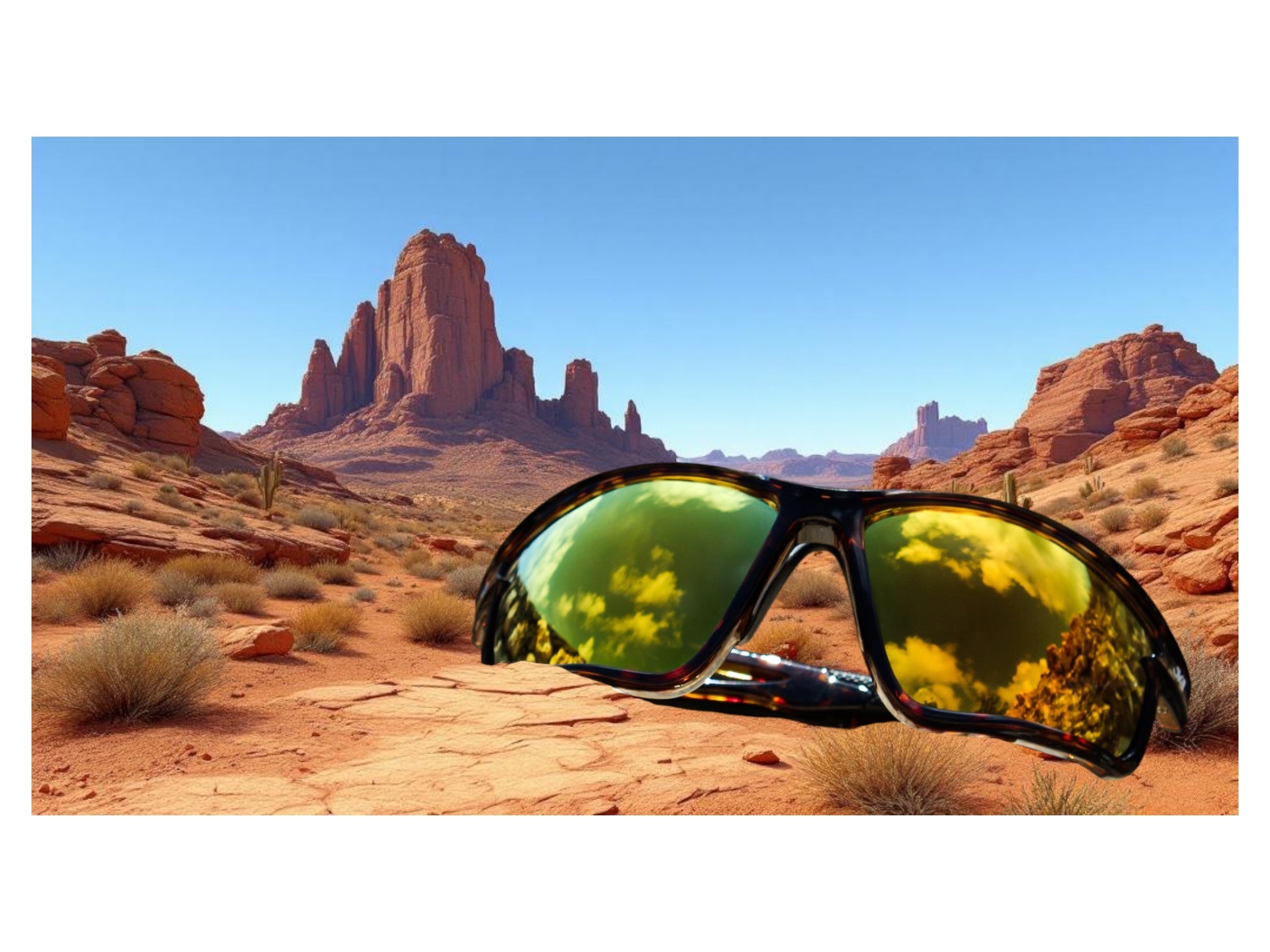

Introduction to Eyeglass Lens Materials
Eyeglass lenses are made from a variety of materials, each offering unique benefits tailored to vision correction, durability, aesthetics, and comfort. With advancements in optical technology, consumers now have multiple options that accommodate both functional and personal preferences.
The most common materials used for eyeglass lenses include glass, plastic (CR-39), polycarbonate, and high-index plastics. These materials differ in terms of weight, scratch resistance, impact resistance, and visual clarity. For individuals with specific priorities, understanding these variations helps in selecting the most suitable lens type.
Glass Lenses: Known for their exceptional optical clarity and scratch resistance, glass lenses are durable but significantly heavier than other materials. Their weight often leads to discomfort with prolonged use, and glass is more prone to shattering, making it less ideal for active lifestyles or children.
CR-39 Plastic Lenses: As a lightweight and cost-effective option, CR-39 is widely used in everyday eyeglasses. It resists scratches relatively well but lacks the impact resistance of modern alternatives like polycarbonate. Its thickness can also be a concern for high prescription users.
Polycarbonate Lenses: Valued for their superior impact resistance, polycarbonate lenses are shatterproof, making them ideal for safety glasses, sports eyewear, and pediatric frames. They are lighter than glass and CR-39 and offer built-in UV protection, although they may be more prone to scratching if not coated.
High-Index Plastic Lenses: Designed for stronger prescriptions, high-index lenses provide clarity in a thinner, lighter profile. Although more expensive, they deliver aesthetic appeal by reducing lens bulk and weight for those with significant vision corrections.
Choosing the right material involves weighing these key factors against personal needs like prescription strength, lifestyle demands, and budget constraints.
What Are Polycarbonate Lenses?
Polycarbonate lenses are a type of optical lens made from a robust thermoplastic material, initially developed in the 20th century for use in aerospace and industrial applications. Their lightweight and impact-resistant properties have made them a popular choice for eyeglasses, safety goggles, and sport-specific eyewear. Unlike conventional glass or plastic lenses, polycarbonate lenses offer unique advantages that cater to individuals seeking durability, UV protection, and optical clarity.
One of the defining characteristics of polycarbonate lenses is their resilience. They are up to 10 times more impact-resistant than traditional plastic or glass lenses, which makes them an excellent option for children’s eyewear, active lifestyles, and protective glasses in hazardous environments. Their durability minimizes the risk of cracking or breaking, even when subjected to strong force.
In addition to their durability, polycarbonate lenses naturally block 100% of harmful UV rays. This provides consistent protection against ultraviolet radiation, which contributes to eye strain and long-term damage such as cataracts. Unlike regular lenses that require additional coatings to achieve UV resistance, this feature is inherent in polycarbonate material.
Another noteworthy advantage is their thinner and lighter profile compared to traditional lenses. Being lightweight enhances comfort, making them suitable for individuals who wear glasses for extended periods. This feature is particularly beneficial for those requiring high prescription lenses, where polycarbonate reduces the bulk and weight while maintaining effectiveness.
Despite their strengths, polycarbonate lenses have limitations, such as being more prone to scratches than glass. However, applying scratch-resistant coatings can mitigate this drawback. Their versatility and safety profile make them a prominent choice for diverse needs.
Key Features of Polycarbonate Lenses
Polycarbonate lenses are renowned for their superior durability, optical quality, and lightweight composition. Developed initially for aerospace applications, these lenses have gained significant popularity in eyewear due to their unique properties. Below are the key features that distinguish polycarbonate lenses from others:
1. Impact Resistance
Polycarbonate lenses are nearly unbreakable, offering up to ten times more impact resistance than traditional plastic lenses. This feature makes them a preferred choice for individuals involved in sports, children’s eyewear, or occupational safety environments where durability is essential.
2. Lightweight
Compared to glass or plastic lenses, polycarbonate lenses are significantly lighter. Their lightweight nature enhances comfort, especially for those who wear glasses for extended periods. This characteristic also reduces the strain on the bridge of the nose and ears.
3. UV Protection
Polycarbonate lenses naturally block 100% of harmful UV rays, eliminating the need for additional UV coatings. This makes them highly suited for outdoor activities or extended exposure to sunlight, protecting the wearer’s eyes against potential damage caused by prolonged ultraviolet radiation.
4. Scratch Resistance
While they are highly resistant to impacts, polycarbonate lenses can be prone to scratches. However, they often come with a scratch-resistant coating to improve their durability over time, maintaining their optical clarity and performance.
5. Thinner and Flatter Profile
Polycarbonate lenses are up to 1.25 times thinner than standard plastic lenses, making them an excellent option for individuals with higher prescriptions. Their flatter profile reduces distortion and provides a more aesthetically pleasing appearance.
6. Compatibility with Various Coatings
These lenses work well with additional coatings such as anti-reflective coatings and hydrophobic treatments. This adaptability enhances glare reduction and repels water, making them versatile across multiple environments and conditions.
7. Safety Features
As polycarbonate is shatterproof, these lenses comply with ANSI Z87.1 safety standards, often required for protective eyewear. This makes them a reliable choice for workplace environments demanding stringent safety measures.
8. Versatility Across Frames
Polycarbonate lenses pair well with diverse types of frames, including rimless and semi-rimless designs. Their lightweight and durable attributes ensure secure fitting without compromising the integrity of the frames.
By combining functionality, comfort, and protection, polycarbonate lenses stand out as a practical option for active individuals, children, and those seeking robust eyewear solutions.
Comparing Polycarbonate Lenses to Other Lens Materials
When considering lens materials, polycarbonate lenses often stand out, but it is important to evaluate how they compare to other common options such as plastic (CR-39), high-index lenses, and Trivex. Each has distinct characteristics that can affect durability, weight, optical clarity, and impact resistance.
Polycarbonate vs. Plastic (CR-39)
Polycarbonate lenses are significantly more impact-resistant than CR-39 lenses, making them a safer option for children, active individuals, and those in hazardous work environments. They are also thinner and lighter, offering enhanced comfort for prolonged wear. CR-39 plastic lenses, however, provide superior optical clarity with less chromatic aberration. They are more cost-effective but lack the durability and shatter-resistance inherent to polycarbonate.
Polycarbonate vs. High-Index Lenses
Both polycarbonate and high-index lenses offer a lightweight and slim profile, ideal for higher prescriptions. High-index materials are typically available in a greater range of refractive indices, allowing for even thinner lenses than polycarbonate. However, polycarbonate lenses have better impact resistance and are typically more affordable. High-index lenses, on the other hand, offer sharper visual acuity with reduced distortion, which may appeal to those prioritizing optical performance over safety.
Polycarbonate vs. Trivex
Trivex lenses share several properties with polycarbonate, such as impact resistance, being lightweight, and UV protection. They have slightly better optical clarity and lower chromatic aberration compared to polycarbonate. However, Trivex tends to be less widely available and is often priced higher than polycarbonate lenses, which could be a limiting factor for cost-conscious buyers.
Polycarbonate lenses serve as an excellent all-around option, providing lightweight durability and safety, but individual needs and priorities may guide the preference for alternative lens materials.
Advantages of Polycarbonate Lenses
Polycarbonate lenses offer a host of benefits that make them a preferred choice for various individuals, including those with active lifestyles or specific vision needs.
- Impact Resistance: Polycarbonate lenses are up to 10 times more impact-resistant than traditional materials such as glass or CR-39 plastic. This makes them an excellent option for children, athletes, and anyone requiring sturdier eyewear.
- Lightweight Design: These lenses are significantly lighter than standard plastic or glass lenses, reducing the overall weight of the glasses. This ensures enhanced comfort, particularly during prolonged wear.
- UV Protection: One of the most notable advantages is their built-in protection against harmful ultraviolet (UV) rays. Polycarbonate lenses block 100% of UVA and UVB radiation, aiding in long-term eye health.
- Thin and Versatile: Due to their high refractive index, these lenses are thinner than their traditional counterparts, even when accommodating stronger prescriptions. This feature greatly enhances the aesthetic appeal of eyewear.
- Safety Compliance: They meet or exceed safety standards such as ANSI Z87.1 for impact resistance, which makes them suitable for industrial use, laboratory environments, and other hazardous settings.
- Scratch Resistance: Modern polycarbonate lenses typically come with a scratch-resistant coating, helping to extend their lifespan and maintain visual clarity over time.
- Adaptability for Sports and Safety Gear: Their outstanding durability and lightweight nature make them compatible with specialty eyewear, such as goggles, sports glasses, and protective shields.
These qualities collectively highlight the unique advantages, ensuring that wearers benefit from both practicality and comfort in challenging or everyday environments.
Potential Drawbacks of Polycarbonate Lenses
Polycarbonate lenses, while popular and advantageous in many ways, are not without their limitations. Being informed about these potential drawbacks can help users make a well-rounded decision when comparing them to other lens materials.
Optical Distortions
Polycarbonate lenses may exhibit optical distortions that cause slight visual aberrations. Compared to glass or higher-grade plastic lenses, they can distort peripheral vision more noticeably. This characteristic becomes more evident when viewing objects at the edges of the lenses. Those with sensitive eyes or complex prescriptions may experience minor discomfort or a lack of sharpness in their field of view.
Susceptibility to Scratching
Though polycarbonate is durable and impact-resistant, it is less scratch-resistant than glass or certain other plastic materials, such as CR-39. While applying scratch-resistant coating can mitigate this problem, the base material is inherently softer, making it more susceptible to damage from everyday wear and tear, or improper cleaning practices. Users often need to handle these lenses with added care to maintain their appearance and functionality over time.
Lower Optical Clarity
Compared to glass lenses, polycarbonate lenses have relatively lower optical clarity. Their refractive index and surface polish might not match the pristine, distortion-free transparency that glass provides—making them less suitable for environments requiring the highest degree of visual precision, such as scientific or technical fields.
Potential for Color Tinting
Polycarbonate lenses naturally have a slight tint that may affect color perception for some wearers. While this tint is negligible for most users, it can be a concern in scenarios where true color recognition is vital, such as fashion design or fine art. Other lens materials, such as high-index plastics or glass, often have clearer optics for precise color reproduction.
Cost Implications
Although polycarbonate lenses are competitively priced for their benefits, they are typically more expensive than basic plastic lenses like CR-39. While the cost is justified by their durability and lightweight nature, budget-conscious individuals may find the price difference significant, especially if additional treatments, such as anti-scratch or anti-reflective coatings, are factored in.
Understanding these potential drawbacks allows individuals to evaluate whether polycarbonate lenses align with their specific needs and preferences or if alternative lens materials might better suit their requirements.
Alternative Lens Types: High-Index, Trivex, and More
When evaluating lens materials beyond polycarbonate, alternatives like high-index lenses, Trivex lenses, and others offer distinct advantages suited for various needs. Understanding their unique attributes can help individuals make an informed choice for their eyewear.
High-Index Lenses
High-index lenses cater to individuals with strong prescriptions. These lenses are thinner and lighter than standard plastic lenses, offering a sleeker look for those with high myopia or hyperopia prescriptions. High-index materials bend light more efficiently, which allows for thinner lens construction even at higher prescriptions. They come in varying refractive indices, such as 1.67, 1.70, and 1.74, with higher numbers indicating slimmer lenses. However, these lenses may reflect more light, so anti-reflective coatings are commonly recommended.
Trivex Lenses
Trivex lenses are often compared to polycarbonate due to their lightweight and impact-resistant properties. They are engineered from a urethane-based material that combines strength and optical clarity. Offering better optical precision than polycarbonate, Trivex lenses reduce distortions and provide a sharper visual experience. They also have inherent UV protection, making them ideal for outdoor use. While slightly thicker than polycarbonate, their lightness enhances comfort during extended wear.
Other Lens Materials
- Glass Lenses: Renowned for their exceptional optical clarity but significantly heavier and prone to shattering, making them less popular for general use.
- CR-39 Lenses: A standard plastic lens material that is affordable and lightweight but less durable than modern alternatives.
- AR Coated Lenses: Not a material but a treatment option that enhances clarity and reduces glare on any lens type.
Alternative lens types like high-index and Trivex provide options tailored to specific preferences, prescriptions, and activities.
Polycarbonate vs. Plastic Lenses: Which One Is Better?
Polycarbonate and plastic lenses are both commonly used in eyewear, but they differ significantly in terms of material properties, durability, and functionality. Understanding their key differences can help individuals make informed decisions about which is better suited to their needs.
Material and Durability Polycarbonate lenses are made from an impact-resistant thermoplastic material, making them one of the most durable lens options available. They are highly resistant to shattering, making them ideal for safety glasses, sports eyewear, and children’s eyewear. Traditional plastic lenses, on the other hand, are made from CR-39, a lightweight resin that is less impact-resistant than polycarbonate. While plastic lenses can handle everyday wear, they are more prone to cracking or breaking under significant impact.
Weight and Comfort Polycarbonate lenses are thinner and lighter than standard plastic lenses, offering greater comfort, especially for those with strong prescriptions. Plastic lenses, while lightweight, are typically thicker. This thickness may cause discomfort when worn for extended periods, particularly in high-prescription eyewear.
UV Protection Polycarbonate lenses inherently block 100% of harmful UVA and UVB rays without additional coatings. Plastic lenses do not provide built-in UV protection, requiring an external UV coating to achieve similar properties.
Optical Clarity Traditional plastic lenses generally offer superior optical clarity compared to polycarbonate lenses. Polycarbonate material has a lower Abbe value, which can sometimes result in slight color distortions or chromatic aberrations in vision, particularly in high-prescription cases.
Scratch Resistance Plastic lenses are more resistant to surface scratches compared to uncoated polycarbonate lenses. However, polycarbonate lenses often come with a scratch-resistant coating to improve their performance.
These factors illustrate the distinctions between the two, with the choice depending on specific lifestyle needs and visual requirements.
Polycarbonate vs. Glass Lenses: Pros and Cons
When comparing polycarbonate lenses to glass lenses, both options possess unique benefits and drawbacks, making the choice largely dependent on individual needs and preferences.
Pros of Polycarbonate Lenses:
- Impact Resistance: Polycarbonate lenses are highly durable and impact-resistant, making them ideal for activities requiring physical protection, such as sports or work in hazardous environments.
- Lightweight: These lenses are significantly lighter compared to glass, offering greater comfort for prolonged wear.
- UV Protection: Polycarbonate naturally filters ultraviolet (UV) rays, reducing the need for added coatings to protect against harmful solar radiation.
- Cost-Effective: Typically, polycarbonate lenses are more affordable to manufacture and purchase, helping people stay within their budget.
- Versatility: These lenses are suitable for high-prescription glasses, sunglasses, and safety eyewear due to their flexibility and design adaptability.
Cons of Polycarbonate Lenses:
- Scratch Susceptibility: Although durable, polycarbonate lenses are more prone to scratches than glass, often requiring an anti-scratch coating for longevity.
- Optical Clarity: Glass lenses tend to offer better optical clarity, as polycarbonate lenses may exhibit slight distortions in vision, especially at the edges.
- Heat Sensitivity: These lenses can warp or degrade under prolonged exposure to high heat, limiting their suitability for activities involving extreme temperature environments.
Pros of Glass Lenses:
- Superior Optical Quality: Glass lenses provide unmatched visual clarity, ensuring sharper and more accurate vision.
- Scratch Resistance: The hard surface of glass makes it highly resistant to scratches, allowing for a longer-lasting, pristine appearance.
- Durability in Heat: Glass remains stable even when exposed to high temperatures, making it a durable option for those frequently encountering heat.
Cons of Glass Lenses:
- Fragility: Glass lenses are more likely to shatter upon impact, posing risks during accidents or physical activities.
- Weight: They’re significantly heavier, which can lead to discomfort during extended wear.
- Higher Cost: Glass lenses are often pricier due to more intricate manufacturing processes and premium optical benefits.
- Limited UV Protection: Unlike polycarbonate, glass lenses require special coatings to block UV rays effectively.
When deciding between polycarbonate and glass lenses, individuals should weigh their priorities, including safety, comfort, optical performance, and budget considerations.
Lens Options for Specific Needs: Sports, Safety, and Kids
When selecting lenses for unique lifestyles or environments, the choice often depends on the demands of the activity, durability, and comfort. Sports enthusiasts, workers in hazardous environments, and parents of active children each require tailored lens solutions to meet their specific needs.
Sports
For individuals engaging in sports, the primary considerations are impact resistance, lightweight material, and optical clarity. Polycarbonate lenses stand out due to their shatterproof quality, making them highly suitable for high-intensity and high-risk sports like basketball, cycling, or skiing. Being 10 times more impact-resistant than traditional plastic or glass, they reduce the likelihood of lens-related injuries during accidents or falls. Their lightweight nature ensures comfort during prolonged activity, while built-in UV protection shields eyes from harmful sunlight—essential for outdoor sports.
Safety
In hazardous work environments such as construction sites, laboratories, or industrial facilities, protective eyewear is crucial. Polycarbonate lenses, often required by workplace safety standards, play a vital role. Their ability to provide robust impact resistance protects against flying debris, chemical splashes, and potential projectiles. Additionally, they can be paired with coatings like anti-scratch or anti-fog for enhanced visibility under extreme conditions. For workers operating in settings requiring safety certification, polycarbonate lenses are often the default choice due to compliance with OSHA and ANSI standards.
Kids
Children, known for their rough-and-tumble activities, need lenses that can withstand inevitable drops, bumps, or accidents. Polycarbonate lenses offer exceptional durability that stands up to their active lifestyles. Unlike traditional lenses, their lightweight material enhances wearing comfort, especially for young children new to glasses. Plus, the UV protection embedded in these lenses ensures growing eyes are safeguarded from harmful ultraviolet rays during outdoor playtime.
Across sports, safety, and children’s needs, tailored lens selection ensures improved performance, comfort, and reliability.
Cost Comparison: Polycarbonate Lenses vs. Other Options
When evaluating the cost of different lens materials, polycarbonate lenses often fall into the mid-range category. The pricing structure reflects their balance of durability, lightweight construction, and impact resistance. Comparing this to other options such as standard plastic, Trivex, and high-index lenses reveals several key differences.
Polycarbonate vs. Standard Plastic
Standard plastic lenses are typically the most affordable option. They work well for basic prescriptions but lack the advanced features of polycarbonate lenses, such as superior impact resistance and built-in UV protection. On average, the cost of standard plastic is lower, making it a preferred choice for budget-conscious individuals who don’t require special properties. Polycarbonate lenses, while more expensive than standard plastic, justify their price with enhanced durability and safety features, especially for children and those with active lifestyles.
Polycarbonate vs. Trivex Lenses
Trivex lenses are often compared to polycarbonate due to similarities in weight and durability. However, Trivex lenses usually come at a slightly higher price point. Their advantage lies in offering better optical clarity, which may justify the added cost for individuals seeking premium visual performance. Polycarbonate, while less expensive, remains a strong competitor in terms of impact resistance and overall value.
Polycarbonate vs. High-Index Lenses
High-index lenses are designed for individuals with strong prescriptions due to their ability to maintain a thinner and lighter profile. However, this benefit is accompanied by significantly higher costs compared to polycarbonate. While high-index lenses prioritize aesthetics and comfort for high prescriptions, polycarbonate offers a cost-effective alternative with sufficient thinness and durability for mild to moderate prescriptions.
Polycarbonate lenses fit into a cost tier where functionality meets affordability, offering a middle ground between budget and premium lens materials.
Durability and Impact Resistance of Polycarbonate Lenses
Polycarbonate lenses are highly regarded for their exceptional durability and resistance to impact. These lenses are crafted from a lightweight, thermoplastic material that is engineered to withstand significant force without cracking or shattering. This characteristic makes polycarbonate lenses an optimal choice for individuals who prioritize long-term resilience and safety.
A key attribute of polycarbonate lenses is their impact strength, which is estimated to be up to 10 times greater than that of traditional plastic or glass lenses. This enhanced toughness makes them ideal for high-risk environments where the possibility of sudden impacts or debris exposure exists. For example, they are frequently recommended for athletes, construction workers, or individuals working in industrial settings.
These lenses comply with safety standards such as the ANSI Z87.1, which mandates specific benchmarks for impact resistance. Meeting these criteria ensures their reliability in offering superior eye protection. Additionally, they are a staple in children’s eyewear due to their ability to absorb shocks while retaining clarity, minimizing the risk of eye injuries in playful or active environments.
Polycarbonate lenses offer added peace of mind for eyewear users, particularly those who engage in outdoor sports or require protective goggles for their professions. The material’s shatterproof nature means that even when under strain, it will only crack in a way that avoids sharp, hazardous shards.
The incorporation of scratch-resistant coatings further extends their usability, mitigating wear and tear from daily handling. This ensures that the lenses maintain both visual clarity and structural integrity over time.
Weight and Comfort: How Polycarbonate Stacks Up
When evaluating eyeglass lenses, weight is a critical factor that directly affects comfort during prolonged wear. Polycarbonate lenses are recognized for their lightweight nature, making them an attractive choice for users who prioritize ease of wear. Weighing less than traditional glass or plastic lenses, polycarbonate reduces pressure on the nose bridge and ears, making it especially suitable for children’s eyewear or those with active lifestyles.
Unlike glass lenses, which can be considerably heavier due to their dense material, polycarbonate offers a comfortable alternative. The material’s lightweight composition ensures that frames fitted with these lenses remain manageable and do not feel overly burdensome, even in larger prescription strengths. For comparison, while standard plastic does provide a weight advantage over glass, it still falls behind polycarbonate in achieving a more feather-light design.
Another comfort-enhancing feature of polycarbonate lenses lies in their thin profile. Due to their high refractive index, they can accommodate prescriptions without the excess bulk associated with some other materials. This feature also reduces lens thickness, particularly for individuals with high-power prescriptions, minimizing the “coke-bottle” lens appearance often linked to heavier alternatives.
Polycarbonate lenses also excel in terms of durability, adding to their overall comfort. Because the material is shatter-resistant, it offers peace of mind for wearers constantly on the move. This durability means less need for frequent adjustments or replacements due to accidental drops or impacts, further contributing to long-term wearing comfort.
However, one consideration is that despite their lightweight profile, polycarbonate lenses may be more prone to minor scratches than glass. This can sometimes affect comfort if scratches obstruct vision, but advancements in scratch-resistant coatings have mitigated this drawback significantly.
In summary, polycarbonate’s combination of lightweight design, thin build, and shatter resistance positions it as a highly comfortable option for a wide range of users.
UV-Protection in Polycarbonate vs. Others
Polycarbonate lenses are well-regarded for their inherent ability to block nearly 100% of harmful ultraviolet (UV) rays, even without any additional coatings. This built-in protection makes them an excellent choice for shielding the eyes from potential long-term damage caused by both UVA and UVB rays. As UV radiation is a major contributor to conditions like cataracts and macular degeneration, the natural UV-resistance of polycarbonate offers significant health benefits.
In contrast, lenses made from materials such as glass or conventional plastic typically lack this level of UV protection by default. These lens types often require specialized UV-blocking coatings to achieve comparable performance. While such coatings can be effective, they may increase the cost of the lenses and require greater care to maintain their efficacy over time. Moreover, the coating can wear off or degrade, reducing the effectiveness of UV protection with prolonged use.
High-index plastic lenses are another alternative to consider. Like polycarbonate, many of these lenses provide solid UV protection, but their performance often varies depending on the specific formulation. Additional UV-blocking treatments may still be needed, particularly for thinner lenses designed for higher prescriptions.
For outdoor or prolonged sun exposure, it is also crucial to examine the overall UV rating of the chosen lenses, regardless of material. Some manufacturers incorporate additional UV-enhancing technologies into both polycarbonate and non-polycarbonate lenses, which can bring options closer in performance. However, the fact that polycarbonate lenses inherently provide such high UV protection gives them a distinct, reliable advantage for users seeking convenience and long-term safety.
Choosing between these materials ultimately depends on individual needs, budget, and lifestyle. Still, polycarbonate sets itself apart with its effortless, built-in UV defense.
Who Should Choose Polycarbonate Lenses?
Polycarbonate lenses are designed with specific needs in mind, catering to individuals who require both durability and optical precision. These lenses are particularly suitable for those living active lifestyles, individuals requiring safety in high-risk environments, and people who prioritize comfort and versatility in their eyewear.
Recommended for Active Individuals
Polycarbonate lenses are an excellent choice for individuals engaged in sports or outdoor activities. Their high impact resistance makes them ideal for protecting eyes during high-speed or unpredictable movements, reducing the risk of injury from flying debris or accidental impacts. Cyclists, runners, hikers, and athletes who need reliable, lightweight eyewear will benefit from their strength and minimal weight.
Appropriate for Children
Children’s eyewear often incorporates polycarbonate lenses because of the material’s shatterproof properties. Kids tend to engage in rough play and may not always exercise caution with their glasses, making these lenses a safe option for minimizing the risk of breakage. They also provide UV protection, further safeguarding the growing eyes of younger users.
Essential in Hazardous Work Environments
For professionals working in industries such as construction, manufacturing, or any job involving heavy machinery, polycarbonate lenses are highly recommended. These jobs often expose workers to potential hazards like flying particles or sparks. The durability and impact resistance of polycarbonate lenses provide an extra layer of protection, ensuring the safety of the wearer’s eyes in dangerous situations.
Ideal for Eye Safety Enthusiasts
Anyone who prioritizes eye safety as a daily concern can benefit from the unique properties these lenses offer. For people who spend prolonged hours outdoors, the inbuilt UV protection is an added advantage.
Polycarbonate lenses offer an adaptable option for various environments and lifestyles, seamlessly combining functionality and safety in a single lightweight solution.
Care and Maintenance Tips for Polycarbonate Lenses
Proper care and maintenance of polycarbonate lenses are essential to preserve their optical clarity and ensure durability. Adopting the right practices can protect these lenses from scratches, dirt, and unnecessary wear, allowing them to perform optimally for a longer period.
Cleaning Routine
- Use a microfiber cloth or soft, lint-free fabric to clean the lenses. This prevents abrasive particles from scratching the lens surface.
- Always rinse the lenses with lukewarm water before wiping to remove any dust or debris. This step reduces the likelihood of causing micro-scratches.
- Apply an optical-grade lens cleaning solution or mild soap. Harsh chemicals, including ammonia or alcohol, should be avoided as they can degrade the coating.
Avoiding Scratches
- Store the lenses in a protective case when not in use. Always choose cases lined with soft material to prevent scraping.
- Never place the lenses face down on any surface, as it increases the chance of scratches.
- For eyeglasses, keep them on a designated stand or case to maintain their quality when they are not being worn.
Preventing Damage
- Keep lenses away from intense heat sources, such as radiators or a car’s dashboard on a sunny day, as high temperatures may warp the polycarbonate material.
- Avoid prolonged exposure to moisture. Though resistant to water, continuous dampness can impact the coatings over time.
- Regularly inspect the lenses for signs of wear, such as peeling coatings, and address issues early to avoid further problems.
Handling Tips
- Always handle lenses by their edges to minimize smudges and dirt transfer.
- For readers with prescription lenses, periodic checks with an optometrist are recommended to ensure the prescription is still accurate.
By incorporating these practices into everyday use, users can maintain the benefits of their polycarbonate lenses and prolong their lifespan effectively.
Environmental Impact: Are Polycarbonate Lenses Sustainable?
Polycarbonate lenses are widely used due to their lightweight properties, impact resistance, and optical clarity. However, their environmental impact is a topic of concern, particularly as sustainability becomes a more critical factor in consumer decisions. Understanding their life cycle, from production to disposal, can help evaluate their environmental footprint.
The production of polycarbonate lenses involves petrochemicals, making them reliant on non-renewable fossil fuels. The manufacturing process also uses significant amounts of energy and involves emissions of greenhouse gases, contributing to climate change. Additionally, the extraction and refinement of raw materials can lead to habitat destruction and soil degradation.
Recyclability is another important consideration. While polycarbonate is technically recyclable, the practical execution of recycling these lenses is limited. Specialized facilities are required to process them, and many lenses ultimately end up in landfills due to lack of proper systems for collection and recycling. In landfills, polycarbonate can take decades to decompose, releasing microplastics into the environment during breakdown.
Despite these concerns, some advancements address the sustainability of polycarbonate lenses. Innovations in recycling processes, along with the use of bio-based polycarbonate derived from renewable sources, are being explored as alternatives to traditional production methods. These developments could potentially reduce dependency on fossil fuels and decrease emissions.
Comparing polycarbonate lenses to other materials, such as traditional glass or CR-39 (plastic resin), highlights trade-offs. Glass lenses, while environmentally friendlier to produce, are far heavier and more prone to breakage. CR-39 lenses are less energy-intensive to manufacture than polycarbonate but are not as durable, requiring more frequent replacements.
Ultimately, the environmental impact of polycarbonate lenses depends on the user’s disposal practices and the industry’s adoption of sustainable advancements, making it a complex issue in need of further exploration.
Conclusion: Making the Right Choice for Your Lifestyle
Choosing between polycarbonate lenses and other alternatives, such as glass or standard plastic, depends heavily on an individual’s unique needs and priorities. Factors such as durability, optical clarity, weight, safety, and budget play a significant role in determining the most suitable option.
Polycarbonate lenses offer unparalleled impact resistance, making them ideal for children, athletes, or anyone involved in rigorous activities. Their lightweight nature ensures comfort for prolonged wear, whereas their ability to block 99% of harmful UV rays adds an extra layer of eye protection. However, they may not provide the same level of scratch resistance or have the highest optical clarity compared to glass lenses.
Glass lenses, on the other hand, excel in delivering superior optical performance and scratch resistance but come at the cost of added weight and fragility. They may suit individuals who prioritize visual clarity and are less concerned about impact resistance. Meanwhile, standard plastic lenses present an economical choice and offer better optical quality than polycarbonate, although they lack the durability and resistance to shattering that polycarbonate provides.
Certain specialized lens types, such as Trivex, compete with polycarbonate in terms of weight and durability while surpassing it in optical clarity. Budget-conscious individuals may lean towards standard plastic lenses, while those needing maximum strength and thickness reduction for high prescriptions might opt for high-index lenses.
Ultimately, understanding one’s daily lifestyle, professional requirements, and personal preferences ensures an informed decision. Whether prioritizing safety, comfort, or performance, matching the lens material to these factors ensures satisfaction and optimal vision correction tailored to individual needs.