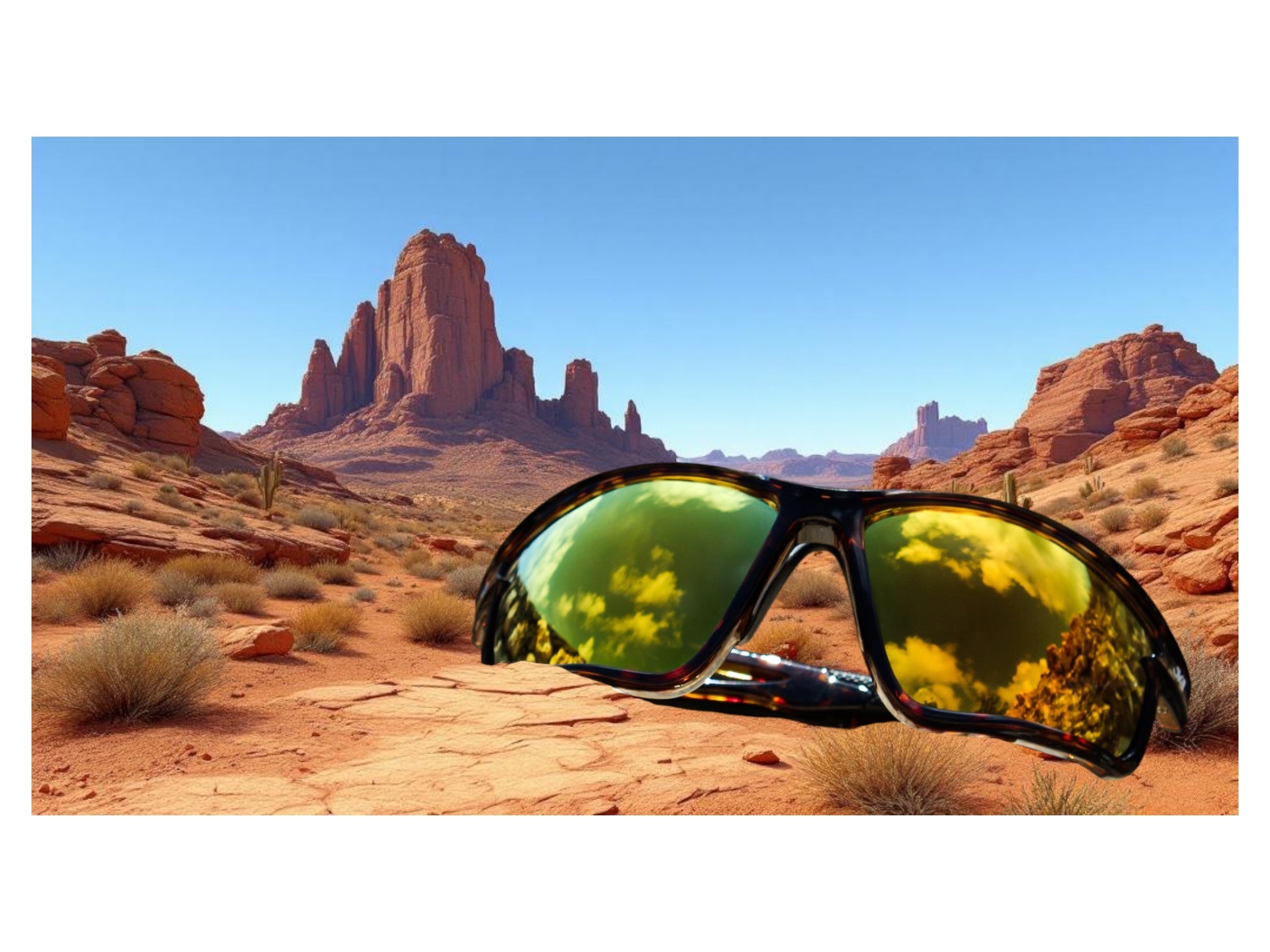

Introduction to Cross Country Racing and the Importance of Sunglasses
Cross country racing, encompassing diverse terrains and varying environmental conditions, demands resilience, strategic planning, and an unwavering focus. Unlike traditional road racing, it involves navigating trails that may include mud, gravel, dirt, and uneven surfaces, all while managing unpredictable weather elements. Competitors are often exposed to prolonged periods outdoors, increasing their susceptibility to environmental factors such as UV radiation, wind, and debris. Success in cross country racing doesn’t merely depend on physical endurance; careful preparation, including appropriate gear choices, plays a key role in performance and safety.
Sunglasses serve as indispensable tools for cross country racers by offering functional benefits that go beyond mere style. First and foremost, they provide critical protection against harmful ultraviolet (UV) rays, safeguarding the eyes from long-term damage caused by extended exposure to sunlight. Not only do UV rays threaten overall eye health, but they can also impair vision during races, making it challenging to track terrain or competitor movement. Additionally, sunglasses act as a physical barrier against dust, dirt, and flying debris often encountered in outdoor races, ensuring optimal vision even under rugged conditions.
Furthermore, sunglasses contribute to enhanced visual clarity by reducing glare from reflective surfaces such as water or muddy patches. This clarity proves essential for making quick, informed decisions on uneven trails where every step counts. Modern performance sunglasses are engineered with advanced lens technologies, including polarized or photochromic options, to adapt to varying light conditions. These innovations deliver a tailored visual experience that supports precision and sharp focus, particularly in environments with fluctuating levels of natural light.
The comfort factor cannot be overlooked, as durable and lightweight sunglasses minimize distractions, while ergonomic designs offer a secure fit during high-impact activities. Hydrophobic coatings or anti-fog features are also critical for maintaining clear vision under sweat-prone or rainy conditions. Combined, these attributes allow athletes to concentrate fully on the race without the hindrance of visual limitations or discomfort.
Effective gear choices, such as selecting high-quality sunglasses, form a cornerstone of preparation in cross country racing. Equip athletes with tools that prioritize both safety and performance, empowering them to excel in their pursuits despite challenging environments. In essence, sunglasses bridge the gap between vision protection, comfort, and competitive advantage, underscoring their importance in the demanding sport of cross country racing.
Key Factors to Consider When Choosing Sunglasses for Cross Country Racing
Selecting the right sunglasses for cross country racing involves evaluating critical factors that ensure optimal performance, safety, and comfort during high-intensity activities. The following aspects should be carefully considered when making a purchase decision:
1. Lens Technology
- UV Protection: Sunglasses must offer 100% UV protection to shield the eyes from harmful sun rays during prolonged exposure. UV damage can compromise visual health and performance.
- Polarization: Polarized lenses help reduce glare from reflective surfaces like water or snow, enhancing visibility and focus on uneven terrain.
- Photochromatic Lenses: These lenses automatically adjust to changing light conditions, making them ideal for unpredictable outdoor environments.
2. Fit and Comfort
- Secure Fit: Runners should prioritize sunglasses with a snug, non-slip fit designed to stay in place during vigorous movement.
- Adjustable Features: Adjustable nose pads and temple tips allow for customization, ensuring a tailored fit for different face shapes.
- Lightweight Design: Lightweight frames contribute to enduring comfort, preventing strain during extended races.
3. Durability and Materials
- Impact Resistance: Durable frames and shatterproof lenses ensure safety in case of accidental drops or collisions.
- Weatherproof Coatings: Hydrophobic or anti-fog coatings keep lenses clear in wet or humid conditions, maintaining visibility in challenging weather.
4. Lens Color and Tint
- Contrast Enhancement: Lens tints such as amber or rose improve depth perception and contrast, enabling clear vision on trails.
- Low Light Adaptability: For dimly lit environments like forested paths, yellow or clear lenses are recommended.
5. Style and Visibility
- Peripheral Vision: Sunglasses should provide a wide field of view without obstructing peripheral sight, a critical feature for cross country navigation.
- Aerodynamics: Sleek, wrap-around designs minimize wind resistance, contributing to better performance on uneven or uphill terrain.
6. Brand and Price
- Reputable Brands: Opting for well-established brands ensures quality, durability, and advanced lens technology.
- Budget Considerations: While higher-end models may offer superior features, there are affordable options that balance cost and functionality effectively.
7. Safety Certifications
- ANSI Standards: Sunglasses meeting safety certifications, such as ANSI Z87.1, guarantee impact resistance and lens strength suitable for athletic activities.
By carefully assessing these factors, runners can find sunglasses that align with their specific needs and elevate their cross country racing experience.
Lens Technology: Choosing the Right Tint and Polarization
When selecting sunglasses for cross-country racing, understanding lens technology is essential for optimizing performance and protection. Different tint and polarization features can significantly impact visibility, comfort, and safety in varying light conditions.
Lens Tint and Its Impact on Vision
Lens tint plays a vital role in controlling light transmission and enhancing contrast. It determines how effectively the lens filters brightness and combats glare. Alleviating eye strain is especially critical for cross-country racers who encounter diverse terrains with fluctuating light conditions. Popular tints include:
- Gray or Smoke: Provides true color perception and reduces brightness effectively, making it ideal for sunny conditions without distorting vision.
- Brown or Amber: Enhances depth perception and contrast, perfect for wooded trails or mixed light environments.
- Yellow: Strengthens visibility in overcast or dim conditions, offering better clarity during early mornings or late evenings.
- Green: Enhances shadows and reduces glare without compromising color recognition, suitable for varied light settings.
Selecting the right tint should match the anticipated weather and environmental challenges encountered during races.
Benefits of Polarized Lenses
Polarization is an advanced feature that improves optical clarity by minimizing glare. It achieves this by filtering horizontal light waves reflected off surfaces such as water, snow, or pavement. Racers often deal with glare from sunlight bouncing off trails, roads, or puddles, which can impair vision and reaction time.
Polarized sunglasses allow racers to maintain focus, improving contrast and visual sharpness. They are particularly advantageous in bright conditions but may not perform well if the terrain is shadowed or cloudy, as polarization can make it harder to distinguish icy patches or subtle contrasts. Thus, racers should assess the conditions before opting for polarized lenses.
Other Relevant Considerations
- Mirrored coatings can boost sunglass performance by offering additional glare reduction and decreasing light penetration in intensely sunny environments.
- Photochromic lenses, which adapt to changing light levels, are practical for athletes experiencing varied conditions in a single race.
- Racers must evaluate the balance between tint and polarization, ensuring the lens features cater to comfort and visibility on their specific routes.
An understanding of these lens technologies empowers racers to make informed decisions and maintain optimal performance during competition.
Durability and Frame Quality: Ensuring Long-Term Performance
When selecting sunglasses for cross-country racing, durability and frame quality play a critical role in ensuring longevity and reliability. A pair of sunglasses must endure the rigors of racing while maintaining comfort and optimal performance. The choice of materials, construction techniques, and design features all contribute to the durability and quality of sunglasses frames.
Premium frames are typically made from materials like TR90 nylon, polycarbonate, or Grilamid, which are lightweight, flexible, and resistant to breakage. These materials are engineered to withstand extreme environmental conditions, such as intense sunlight, dust, and accidental impacts. They can retain their shape even under significant stress and are less likely to crack or deform compared to cheaper alternatives. Metal frame options, such as those made from titanium or stainless steel, offer durability but might be heavier, which is less ideal for long racing sessions.
Racers should prioritize frames with reinforced hinges or integrated hinge designs. Hinges often bear the brunt of repeated handling, so durability in this area reduces the likelihood of costly repairs or replacements. Sunglasses with adjustable nose pads and flexible temple arms add to comfort without compromising structural integrity, enabling a snug, secure fit even during high-intensity motion.
Frames designed with scratch-resistant coatings or treatments often fare better in challenging racing environments. Abrasive dirt and debris can degrade the surface finish, so investing in models with protective coatings prolongs the sunglasses’ overall aesthetics and utility. Furthermore, UV-resistant frames prevent material degradation caused by prolonged exposure to ultraviolet radiation, ensuring the product retains its qualities over time.
Finally, racers should examine how well the frames integrate with helmets and other headgear. Frames susceptible to pressure points or misalignment when used with accessories can lose their form quicker, reducing durability. Ensuring compatibility with racing gear is essential for long-term performance.
Fit and Comfort: Finding Sunglasses That Work With Your Gear
Cross-country racing demands sunglasses that complement both the rider’s physical comfort and their gear setup. Poorly fitting eyewear can lead to discomfort, distractions, and diminished performance. Finding sunglasses that merge seamlessly with helmets, headbands, and other racing essentials is critical for an optimal experience on the trail.
When assessing fit, compatibility with the helmet should be prioritized. Many helmets have specific grooves or areas designed to accommodate sunglasses, ensuring a snug, secure integration. Sunglasses with straight or minimally curved arms typically work better when interacting with helmet straps, reducing pressure points along the temples. Adjustable nose pads enhance fit, allowing riders to customize how the sunglasses rest on the face, preventing slippage during high-intensity movements.
Comfort extends to the weight of the sunglasses. Lightweight materials, like nylon or polycarbonate, are preferable because they minimize strain during long rides. For riders covering extensive distances, padded or rubberized contact points (such as on the nose bridge and temples) are essential to prevent chafing and discomfort. Ventilated frame designs can also enhance comfort by improving airflow, minimizing sweat accumulation, and reducing fog.
Lens shape and coverage play a pivotal role as well. Wraparound styles provide a better fit while offering sufficient protection from peripheral wind and debris. Riders should also consider the lens curvature’s impact on comfort, ensuring it doesn’t distort their field of vision or put unnecessary strain on the eyes.
Finally, compatibility with accessories should not be overlooked. Riders who use prescription inserts or headbands must ensure the sunglasses comfortably accommodate these additional components. By focusing on fit and comfort in conjunction with performance, racers can fully concentrate on the challenge ahead without distractions caused by ill-fitting gear.
UV Protection: Guarding Against Harmful Rays During Races
Cross country racing often involves prolonged exposure to the sun, and protecting the eyes from harmful ultraviolet (UV) rays is essential. UV radiation, even on cloudy days, can cause significant damage to the eyes over time, including conditions such as cataracts, macular degeneration, and photokeratitis. Ensuring that sunglasses provide effective UV protection is critical for both short-term comfort and long-term eye health.
When selecting sunglasses for cross country racing, runners should prioritize UV-blocking capabilities. Look for lenses labeled with 100% UV protection or UV400 protection, which blocks light rays with wavelengths up to 400 nanometers. This designation ensures comprehensive protection from both UVA and UVB rays. Without this level of coverage, the lenses may fail to adequately shield the eyes, inadvertently causing more harm as the tinted glasses dilate the pupils and allow additional UV exposure.
Runners should also consider lens material and coatings for enhanced UV protection. Polycarbonate lenses, for instance, inherently block UV rays and are lightweight, making them a popular choice for athletes. In addition, some sunglasses feature anti-reflective or mirror coatings, which reduce glare while offering extra defense against UV rays reflected off surfaces such as pavement, sand, or water.
To ensure sustained UV protection, it is important to regularly inspect sunglasses for scratches and damage. Scratched lenses can compromise protection and clarity, potentially hindering performance during highly demanding cross-country races. Purchasing from reputable brands that prioritize industry standards for UV protection adds another layer of confidence in the product’s effectiveness.
By wearing well-designed UV-protective sunglasses, cross country runners can minimize the risks posed by harmful rays, allowing them to focus on performance without jeopardizing their eye health.
Interchangeable Lenses: Versatility for Changing Weather Conditions
In the demanding discipline of cross-country racing, athletes often encounter a wide range of weather conditions within a single event. From glaring sunlight to overcast skies or sudden rain, adaptability is crucial for optimal performance and safety. Interchangeable lenses in sunglasses provide an innovative solution for these fluctuating environments, offering racers the flexibility to tailor their vision to the conditions at hand.
Benefits of Interchangeable Lens Systems
Modern sunglasses equipped with interchangeable lens systems enhance visibility and clarity, a crucial factor in navigating varied trail conditions. Athletes can quickly swap lenses to adjust light transmission levels based on environmental changes. This capability prevents eyestrain, improves focus, and allows racers to react more efficiently.
Some notable benefits of these systems include:
- Light Optimization: By offering lenses with varying light transmission rates, athletes can use darker lenses in bright sunlight and lighter ones in low-light conditions.
- Improved Contrast: Specialized lenses enhance contrast to make obstacles, tracks, and terrain features more visible in varying landscapes.
- Cost Efficiency: Investing in a pair of sunglasses with interchangeable lenses may eliminate the need for multiple pairs tailored to specific weather conditions.
Types of Lens Options
Popular lens options for cross-country racers include photochromic lenses, polarized lenses, and colored lenses tailored to specific light spectrums.
- Photochromic Lenses: These automatically adjust their tint level based on the intensity of light, providing seamless transitions for varying conditions like moving between shaded forests and open fields.
- Polarized Lenses: Ideal for bright conditions, polarized lenses reduce glare from reflective surfaces, such as wet terrain or puddles, enhancing comfort and clarity.
- Colored Lenses: Amber and rose-colored lenses are particularly effective for cloudy or snowy environments, as they increase depth perception and improve visibility in diffused light conditions.
Considerations When Choosing
When selecting sunglasses with interchangeable lenses, users should prioritize durability, ease of swapping lenses, and compatibility. Lens material should be shatter-resistant, and the mechanism should allow smooth transitions without requiring advanced tools. Additionally, racers should assess the range of available lenses, ensuring they cover all conditions they may encounter during racing events.
Ventilation and Anti-Fog Features: Maintaining Clear Vision
Cross-country racing demands peak performance in varying environmental conditions, making clear vision essential for athletes. Proper ventilation and anti-fog features in sunglasses are critical to ensuring uninterrupted sight lines, even during intense physical exertion. These features prevent lenses from clouding, maintaining focus and safety throughout the race.
High-performance sunglasses integrate strategically placed ventilation systems to regulate airflow. These vents, often positioned on the top or sides of the frame, facilitate continuous air circulation, minimizing the accumulation of heat and moisture. The airflow prevents condensation buildup, which can obstruct vision. Some models even feature adjustable ventilation settings, allowing riders to customize airflow according to weather conditions or activity level.
Anti-fog coatings are another indispensable addition to cross-country sunglasses. These coatings work by reducing surface tension on the lenses, dispersing moisture evenly rather than allowing droplets to form. Modern anti-fog techniques often incorporate advanced hydrophobic and oleophobic treatments, which repel water and oil, further enhancing visibility. Such coatings are exceptionally effective in humid or rainy environments.
The combination of ventilation and anti-fog systems often extends beyond the lenses, with some sunglasses employing frame designs that optimize breathability. Frameless or semi-rimless constructions, for example, allow for improved airflow directly across the lenses and surrounding areas. Additionally, frames made from hypoallergenic materials ensure comfort while minimizing sweat accumulation during extended use.
For competitive racers, lenses frequently come equipped with interchangeable systems, allowing users to swap fog-prone lenses with those intended for specific weather conditions, such as low light or sunny settings. These modular options ensure adaptability alongside anti-fog benefits, catering to the diverse needs of cross-country athletes.
Purchasers should assess both the design and practicality of ventilation and anti-fog features, ensuring they align with the dynamic requirements of cross-country racing.
Top Recommended Sunglasses Brands and Models for Cross Country Adventures
Selecting the right sunglasses for cross country racing involves careful consideration of features, durability, and comfort. Certain brands and models have gained recognition for their performance under demanding conditions, offering optimal protection and enhanced vision.
Leading Brands in Performance Eyewear
Several brands stand out in the realm of cross country sunglasses due to their commitment to quality and athlete-focused designs:
- Oakley: Renowned for its High Definition Optics® technology, Oakley provides crystal-clear vision and unparalleled UV protection. Popular models like the Oakley Radar EV Path come equipped with interchangeable lenses and lightweight frames for extended comfort.
- Smith Optics: Known for its ChromaPop™ lenses, Smith Optics sharpens details while reducing glare and eye strain. The Smith Attack sunglasses are a top choice, featuring magnetic interchangeable lenses and adaptive nosegrips for secure fits.
- Julbo: Designed with adventurers in mind, Julbo integrates photochromic lenses that adjust to changing light conditions. The Julbo Aero model offers a wide, rimless lens for unobstructed views essential for racing.
Key Features to Prioritize
When choosing from these brands, specific features ensure maximum functionality during cross country races:
- Lens Adaptability: Models with interchangeable or photochromic lenses allow racers to adapt to different weather conditions.
- Grip Technology: Non-slip materials on the nose bridge and temples keep sunglasses stable during rigorous activity.
- Vents for Airflow: Proper ventilation prevents fogging, particularly crucial during high-intensity races.
Recommended Models for Varied Terrain
The ideal sunglasses for diverse terrain include:
- Rudy Project Defender: Built for extreme sports, offering impact-resistant frames and adjustable temple tips.
- Tifosi Crit: Budget-friendly yet reliable for durability, featuring glare-reducing polarized options.
- Poc Aspire: Known for their bold design and wide field of view, ideal for open country trails.
Investing in premium sunglasses ensures not only eye safety but enhanced performance during cross country adventures. Each model presented combines utility with cutting-edge features tailored for endurance sports.
Budget Options Versus Premium Sunglasses: Weighing the Pros and Cons
When selecting sunglasses for cross-country racing, the choice between budget options and premium models can significantly influence performance, comfort, and durability. Each category comes with its distinct advantages and trade-offs, making it essential for buyers to carefully consider their specific needs and priorities.
Benefits of Budget Sunglasses
Budget sunglasses are often favored for their affordability, making them accessible to beginners or racers with tight budgets. Their cost-effectiveness allows riders to experiment with various styles and lens types without making a significant financial commitment. Many budget options also adequately deliver UV protection, shielding the eyes from harmful sun exposure during prolonged outdoor activities. Additionally, these sunglasses are less of a financial loss if accidentally damaged or misplaced during a race.
However, budget models may compromise on advanced features. Durability is a concern, as lower-cost materials often lead to faster wear and tear. The lens coatings may also lack advanced properties like anti-fog, scratch resistance, or optimal glare reduction, which can pose challenges in dynamic racing environments.
Advantages of Premium Sunglasses
Premium sunglasses stand out due to their superior craftsmanship and high-quality materials. They often include precision-engineered lenses offering unparalleled clarity, enhanced contrast, and adjustable light filtration through technologies like photochromic or polarized lenses. These features provide a significant advantage when navigating diverse lighting conditions during races. Additionally, premium sunglasses prioritize ergonomic design, offering a lightweight build and secure fit without compromising comfort.
On the downside, the high price point can be a deterrent for many. While they boast advanced technology and robust construction, premium sunglasses may become a costly investment if damaged or less frequently used.
Key Factors to Consider
- Usage Frequency: Casual racers may find budget options sufficient, while professionals benefit from the precision of premium models.
- Environmental Needs: Harsh conditions like intense sunlight or varied terrains may demand the advanced capabilities of premium glasses.
- Durability and Maintenance: Premium sunglasses typically offer longer lifespans, while budget ones serve as short-term solutions at a lower investment.
Understanding the trade-offs between cost and performance helps racers make the appropriate choice for their racing needs.
Tips for Maintaining Your Sunglasses for Long-Term Use
Proper maintenance of sunglasses is key to ensuring their longevity, functionality, and appearance during cross-country racing. These tips cover cleaning, storage, and regular upkeep to keep the eyewear in optimal condition.
Cleaning Your Sunglasses Correctly
Cleaning sunglasses routinely removes dust, sweat, and grime, helping to preserve their lenses’ clarity and coating. Special attention should be given to avoid scratches and permanent damage.
- Use the right materials: A microfiber cloth is recommended for cleaning lenses. Avoid paper towels or clothing fabrics, as they can scratch lens coatings.
- Rely on mild cleaning solutions: It is advisable to use lens-specific cleaning sprays or a solution of warm water and mild soap. Harsh chemicals can damage polarized or anti-reflective coatings.
- Be cautious with dirt accumulation: Rinse sunglasses under running water before wiping to remove surface debris that may scratch the lenses.
Proper Storage Techniques
When not in use, storing sunglasses appropriately protects them from physical damage and exposure to extreme temperatures that could warp the frame or damage lenses.
- Invest in a protective case: Hard-shell cases provide the best protection against accidental drops or impacts during travel or storage.
- Avoid face-down placement: Always place sunglasses on their side or face-up on surfaces, as lens-down positioning invites scratches.
- Do not leave them in hot areas: Excessive heat, such as in a car on warm days, can warp plastic frames and weaken adhesive on lenses.
Regular Inspection
Periodic inspections are crucial to ensure sunglasses remain effective for cross-country racing conditions. This proactive step prevents reduced performance or visual issues.
- Examine for wear and tear: Check for loose screws on hinges and peeling coatings. Promptly address these issues to avoid worsening damage.
- Replace damaged components when necessary: Nose pads, lenses, and screws can often be replaced, preserving the functionality of well-maintained frames.
- Test for secure fittings: Ensure a snug fit to prevent discomfort during prolonged use or uneven pressure that may affect durability.
Additional Precautions
Proper handling habits significantly reduce the risk of accidental damage to sunglasses. Simple actions can extend their usability.
- Always use both hands: Remove or handle sunglasses using both hands to avoid uneven stress on the frame.
- Avoid wearing them on your head: Resting sunglasses on top of your head can stretch the arms and compromise fit over time.
Maintaining sunglasses requires conscious effort but ensures they provide reliable performance and protection during extensive cross-country racing activities.
Conclusion: Making an Informed Purchase for Cross Country Racing Success
Selecting the right sunglasses for cross country racing requires careful consideration of several factors that directly impact performance, safety, and comfort. The decision-making process should always begin with an evaluation of the conditions of the race environment. Variables such as sunlight intensity, terrain challenges, and weather patterns play a vital role in determining the appropriate lens type and frame design.
Runners benefit from sunglasses with high-quality, impact-resistant lenses featuring advanced technology like UV protection and polarization. UV protection is essential to shield eyes from harmful sun exposure, while polarized lenses reduce glare, improving visibility on reflective surfaces such as wet terrains or snow. Additionally, clarity and contrast-enhancing features found in certain lenses provide visibility advantages during varied lighting conditions.
Durability and fit are equally important considerations. Frames made of lightweight, flexible materials ensure long-lasting wear without causing discomfort during high-impact movement. Features such as adjustable nose pads, rubber grip arms, or wraparound designs help runners maintain a secure fit even in rigorous physical activity. Ensuring that sunglasses stay firmly in place is crucial to avoid interruptions during races.
Another key element to assess is ventilation and moisture management. Sunglasses equipped with anti-fog technology or vented frame designs counteract sweat accumulation and temperature fluctuations. This prevents visual distraction and ensures runners can focus entirely on their performance.
Considering these aspects not only helps in choosing eyewear that enhances a runner’s experience but also ensures protection against environmental challenges. To achieve success in cross country racing, investing in high-performance and specialized sunglasses tailored to specific needs is an indispensable step.