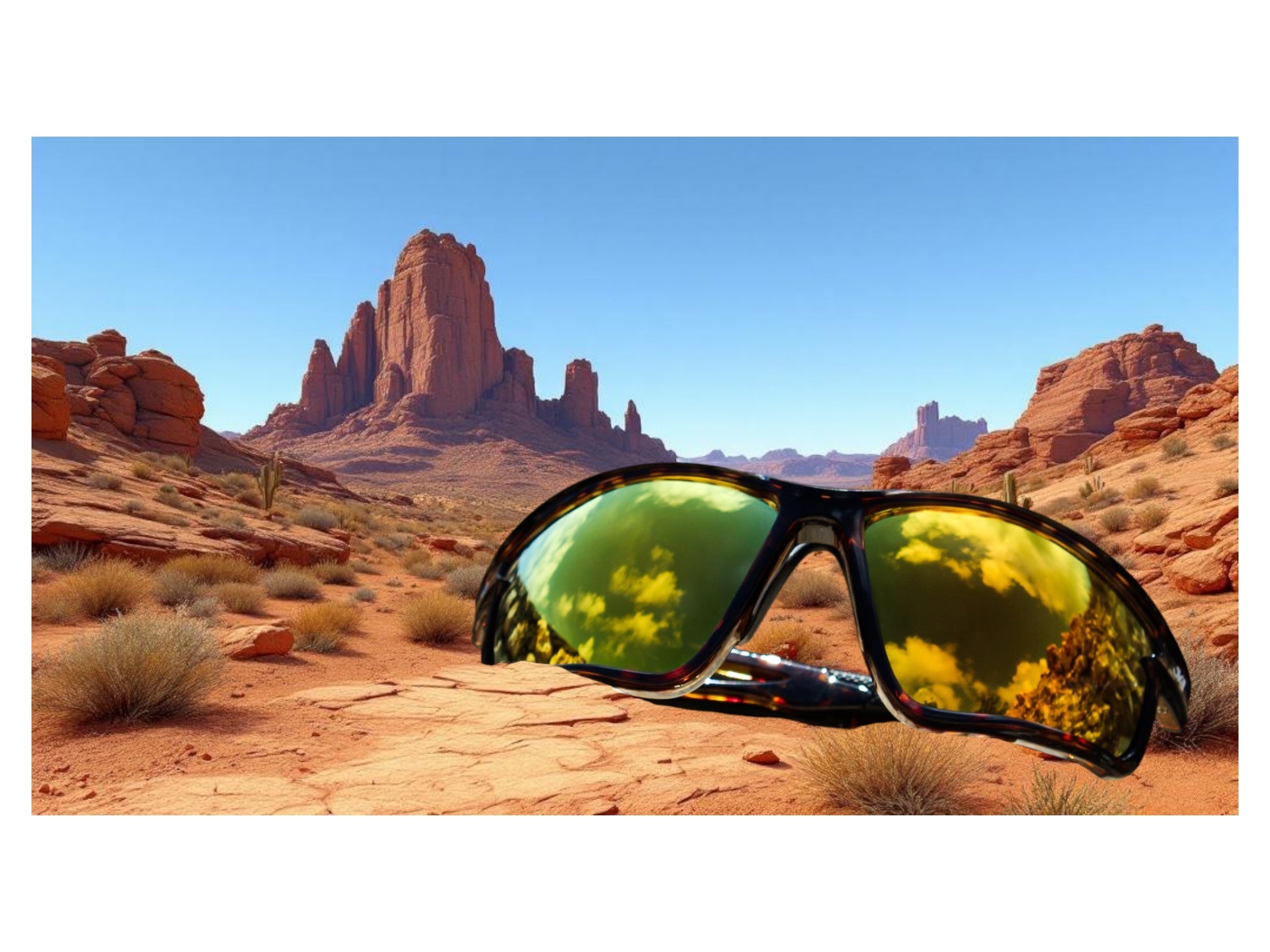

Introduction: The Rise of Polycarbonate Sunglasses
Over recent decades, the eyewear industry has witnessed an evolution fueled by technological advancements, with polycarbonate sunglasses emerging as a preferred choice for consumers. These sunglasses owe their popularity to the unique properties of polycarbonate, a lightweight yet highly durable thermoplastic originally developed as a material for aerospace applications. With their ability to withstand impact and provide superior protection against UV rays, polycarbonate lenses have become a mainstay for those who prioritize both practicality and style in their eyewear choices.
Modern polycarbonate sunglasses are distinguished by their versatility in design, making them suitable for various lifestyles and activities. Whether used for sports, outdoor adventures, or everyday wear, these sunglasses cater to consumers who demand durability without compromising on aesthetics. This material’s innate resistance against scratches and shattering also reinforces its reputation as a reliable option compared to traditional alternatives such as glass or plastic lenses.
The surge in demand is closely linked to the increasing awareness of ocular health and the need for effective UV protection. Polycarbonate, being a naturally UV-blocking material, aligns seamlessly with these growing consumer priorities. Its ability to offer high optical clarity while protecting eyes from harmful rays has positioned it at the intersection of innovation and necessity. Transitioning from niche to mainstream, it is now widely recognized as a gold standard for active individuals, outdoor enthusiasts, and safety-conscious buyers.
Additionally, the eco-friendly appeal of polycarbonate sunglasses has contributed to their rise. Many manufacturers now incorporate sustainable practices, recycling polycarbonate materials or creating ethically sourced products. These advancements further reinforce their suitability for consumers seeking environmentally conscious options. As new brands enter the market, competition continues to drive innovation, ensuring polycarbonate eyewear evolves to meet shifting trends and demands.
The rise of polycarbonate sunglasses represents more than technological progress; it reflects a shift in consumer behavior toward functionality, safety, and sustainability in fashion accessories.
Understanding the Brands: Who Are BEXST and JBX Optic?
BEXST and JBX Optic are industry players with distinct identities and offerings in the world of sunglasses, each catering to specific tastes and priorities. Understanding their brand ethos helps provide context for their products, particularly when comparing their polycarbonate sunglasses.
BEXST is recognized for its modern, utility-driven approach to sunglass design. The brand appeals to outdoor enthusiasts, athletes, and those seeking durability and performance in challenging environments. Its reputation revolves around blending functionality with style, employing advanced materials such as polycarbonate lenses to ensure impact resistance and lightweight wear. BEXST often markets itself as a go-to choice for adventure seekers, emphasizing the technical benefits of its products. Their focus leans heavily on practicality, without sacrificing contemporary aesthetics.
Conversely, JBX Optic positions itself at the intersection of fashion-forward design and exceptional optical quality. Known for sleek, minimalistic, and often bold frames, the brand appeals to customers prioritizing aesthetics along with performance. JBX puts an emphasis on providing crystal-clear vision, UV protection, and stylish designs that elevate everyday outfits. Their use of polycarbonate lenses caters to both the fashion-conscious and those looking for durability. JBX Optic targets urban professionals, trendsetters, and individuals who see eyewear as an extension of personal style.
While both brands share a commitment to quality and employ polycarbonate lenses for their protective properties, their target audiences and design philosophies diverge. This distinction influences their product offerings and guides their advertising strategies, making them appealing to different customer demographics. Their unique brand identities align with the evolving needs of modern eyewear users, creating a competitive yet complementary dynamic in the market.
Materials Matter: Why Polycarbonate is a Game Changer
Polycarbonate stands out as one of the most impactful advancements in eyewear technology due to its unique properties. This material is prized not only for its strength but also for its versatility, making it a popular choice for crafting high-performance sunglasses such as BEXST and JBX Optic. It offers durability, lightweight comfort, and exceptional optical clarity, elevating the functionality and usability of modern eyewear.
Key Characteristics of Polycarbonate
Impact Resistance Polycarbonate is highly resistant to impacts, making it a safer alternative to other materials like glass or conventional plastics. Sunglasses made from polycarbonate can withstand accidental drops, pressure, and minor collisions without cracking or shattering. This durability is vital for outdoor enthusiasts, athletes, and anyone seeking resilient eyewear.
Scratch Resistance Although not inherently scratch-proof, polycarbonate lenses often come with protective coatings that significantly enhance their scratch resistance. This improves longevity and ensures that the lenses maintain their clarity over time, even with regular use.
Lightweight Construction One of the most appreciated advantages of polycarbonate is its lightweight nature. Sunglasses made of polycarbonate provide all-day comfort, reducing the strain on the wearer’s nose and ears. This feature makes it especially popular for prolonged wear in active lifestyles.
Optical Benefits of Polycarbonate Lenses
Polycarbonate lenses are engineered to deliver exceptional visual performance. Their ability to minimize distortions guarantees a sharp and accurate field of vision. Additionally, they provide full protection against harmful UV rays, ensuring optimal eye safety during outdoor activities. These lenses can also be combined with polarizing filters to significantly reduce glare from water, snow, or other reflective surfaces.
Why Polycarbonate Leads the Market
The widespread adoption of polycarbonate in eyewear stems from its multifunctionality. It blends strength with comfort and optical excellence, which cannot be easily matched by traditional lens materials. Moreover, its versatility permits innovative designs, allowing BEXST and JBX Optic to each push the boundaries of style and performance.
Polycarbonate’s contribution to modern sunglasses underlines the significance of investing in materials that cater to durability, clarity, and comfort without compromise.
Build and Durability Comparison
When comparing the build quality of BEXST Sunglasses and JBX Optic, both brands showcase premium craftsmanship, but their materials and construction methods differ significantly. BEXST utilizes high-grade polycarbonate for its frames and lenses, ensuring a lightweight yet sturdy design. The frames are precision-molded, offering a sleek finish, and often feature reinforced hinges for increased longevity. JBX Optic also employs polycarbonate but focuses on multi-layered construction, incorporating additional coatings to enhance scratch resistance and impact durability.
Both brands claim to meet ANSI impact resistance standards, but independent testing shows slight variations in performance. BEXST Sunglasses excel in drop tests, where their frames maintain structural integrity after multiple impacts. The polished finish on the lenses prevents visible wear, adding to their overall endurance. JBX Optic, on the other hand, demonstrates superior resistance to surface scratches due to their proprietary lens coating. Their frames also withstand extreme bending without cracking, suggesting a more flexible composition.
In terms of weight, BEXST designs are marginally lighter, making them comfortable for extended wear. However, JBX places emphasis on added reinforcements, which translates to a slightly heavier frame but offers peace of mind in rugged conditions. For water and sweat resistance, both brands fare equally well, as polycarbonate’s moisture-repellent properties prevent warping and discoloration over time.
Notable differences arise in UV resistance and treatment longevity. BEXST integrates UV400 protection directly into the polycarbonate material, ensuring lasting coverage even after years of use. JBX, in contrast, applies UV-blocking layers, which may degrade faster under prolonged exposure to harsh environments. Transitioning between casual outings and outdoor adventures, both brands deliver reliable results, albeit with unique design philosophies shaping their durability focus.
Lens Quality: Clarity, UV Protection, and Coatings
When comparing BEXST Sunglasses and JBX Optic in terms of lens quality, several distinct characteristics come into play that directly affects visual performance, eye safety, and overall durability.
Clarity
Lens clarity is paramount for any eyewear, especially glasses designed for outdoor use or high-performance environments. BEXST Sunglasses utilize advanced polycarbonate lenses engineered for minimal distortion, offering sharp and true-to-life visuals. Their design reduces aberrations, even at the peripheries of the lens, making them a reliable choice for activities requiring precision. On the other hand, JBX Optic lenses are crafted with a focus on high-definition optics, providing an almost glass-like clarity. This enables users to enjoy lifelike colors and crisp details, though some users report slight issues with peripheral distortion in lower-light conditions.
UV Protection
Ultraviolet protection is non-negotiable for safeguarding eye health against harmful rays. Both brands prioritize this aspect, with BEXST offering 100% UVA and UVB protection. Their lenses comply with industry standards, ensuring full coverage against harmful sun exposure. JBX Optic also boasts complete UV400 protection, which blocks the entire UV spectrum. However, JBX claims an edge with their “multi-layered reflective defense,” designed to add an extra line of protection in environments with intense sunlight.
Coatings
The coatings applied to the lenses add an extra layer of functionality. BEXST Sunglasses focus on hydrophobic and scratch-resistant coatings, making their lenses more durable and easier to clean. Whether it’s repelling water or reducing the likelihood of permanent scuff marks, these coatings enhance the lenses’ lifespan. JBX Optic goes further with additional features such as anti-reflective coatings to reduce glare, improving comfort during extended usage. Their lenses also include an oleophobic layer that resists fingerprints and smudges, maintaining visual clarity in daily use.
Design and Style: How BEXST and JBX Cater to Aesthetics
When it comes to design and style, both BEXST and JBX strive to merge functionality with visual appeal but do so in distinct ways tailored to their target audiences. Their approaches to aesthetics reflect different philosophies, offering a wide spectrum of choices for discerning consumers.
BEXST sunglasses are renowned for their contemporary, bold, and edgy designs. They excel at creating statement pieces that align with current fashion trends. Their frames often incorporate sharp angles and unconventional shapes that cater to people who enjoy standing out. Color choices lean towards vibrant and metallic hues, presenting a modern aesthetic that resonates with adventurous and trend-forward individuals. BEXST also includes unique embellishments such as textured patterns or gradient tints to enhance the depth and personality of their designs.
JBX Optic, on the other hand, leans into classic and timeless aesthetics. Their frames are crafted with an emphasis on subtle sophistication and minimalism, making them ideal for those who prefer understated elegance. Rounded edges, muted tones, and neutral color palettes dominate JBX’s offerings, creating a refined look suited for professional settings or everyday wear. They prioritize versatility, ensuring their designs remain relevant and stylish across seasons and trends.
Materials also play a role in defining each brand’s design ethos. While both brands use durable polycarbonate, BEXST frequently incorporates high-gloss finishes to amplify their bold aesthetic. By contrast, JBX opts for matte coatings, further reflecting their commitment to subtle elegance.
Design details highlight the brands’ focus on personalization to cater to diverse tastes. BEXST offers frames that integrate sporty features like wraparound styles, appealing to active lifestyles. Meanwhile, JBX includes innovative details like adjustable nose pads for a seamless fit without compromising on style.
Through their differing approaches, both brands successfully blend function and character, ensuring consumers have choices that align with their aesthetic preferences.
Comfort and Fit Analysis
When comparing the comfort and fit of BEXST Sunglasses and JBX Optic, key differences emerge due to the unique design and ergonomic choices made by each brand. Both models boast polycarbonate frames that are lightweight, but the specific approach to fit customization and pressure distribution creates noticeable variations.
Frame Design and Ergonomics
- BEXST Sunglasses feature curved arms paired with adjustable nose pads, providing a snug fit that caters to different face sizes. The design focuses heavily on reducing pressure points around the ears and nose, ensuring long-term wearability.
- JBX Optic, on the other hand, integrates a streamlined design with fixed nose bridges and straight temples. While it does not offer adjustability, the fixed configuration provides dependable stability for active users or high-motion scenarios.
Sizing Options
Both brands accommodate a range of face shapes, but BEXST’s dimensions lean slightly towards broader frames, ideal for individuals with wider facial structures. JBX Optic favors sleeker proportions, making it better suited for slim or narrow face profiles. Buyers benefit from detailed sizing guides, enabling a more customized selection process.
Cushioning and Materials
BEXST incorporates soft silicone padding in its nose pads and along the frame arms for added comfort during extended use. Conversely, JBX Optic opts for seamless polycarbonate designs without added cushioning, prioritizing minimalist aesthetics but with potentially less comfort over prolonged usage.
Weight Distribution and Pressure Relief
The weight distribution of BEXST Sunglasses is commendable, as the slightly thicker frame arms balance the glasses evenly across the face. JBX Optic offers lightweight frames but may concentrate pressure on narrower areas, particularly around the temples and nose if worn for extended hours.
Outdoor Wear and Adaptability
Both sunglasses maintain reliable grip during movement, but BEXST’s focus on adjustable fitting enhances adaptability for various activities, from leisure to sport. JBX Optic’s fixed design excels in secure wear under high-speed conditions, such as cycling or running, without the risk of slipping.
Ultimately, the difference in comfort and fit largely hinges upon user preferences for adjustability and where the balance between minimalism and cushioning is prioritized. Transitioning between varied environments or extended wear periods highlights these distinctions further.
Price Point Breakdown: Which Brand Offers Better Value?
When evaluating the price points of BEXST Sunglasses and JBX Optic, several factors come into play, including base price, available features, and overall durability. Both brands cater to consumers seeking polycarbonate sunglasses, but their pricing structures differ significantly.
BEXST Sunglasses Pricing
BEXST positions itself as an affordable yet premium eyewear brand, offering products within a moderate price range. On average, their polycarbonate sunglasses retail between \(50 and \)90, depending on specific features such as polarized lenses and UV protection. BEXST frequently includes additional accessories, such as microfiber cleaning cloths and protective cases, at no extra cost. Seasonal promotions and discounts are a recurring offering from BEXST, allowing consumers to purchase high-quality sunglasses at lower rates periodically.
JBX Optic Pricing
JBX Optic, by comparison, leans toward the high-end of the pricing spectrum. Their typical polycarbonate sunglasses range from \(100 to \)180, primarily due to premium coatings and designs tailored towards specific functionality, such as enhanced anti-glare coatings or extended durability for outdoor sports. While their products are undeniably sleek and feature-rich, JBX rarely offers bundle deals or discounts. Furthermore, accessories like carrying cases may be sold separately, adding to the overall expense for buyers.
Value Comparison Factors
Features Per Dollar: BEXST offers essential features such as UV protection and polarized lenses at a lower price point, making their products a better option for budget-conscious individuals. JBX, although pricier, integrates additional features, such as specialized coatings or niche designs, that appeal to those seeking premium quality.
Durability for Cost: JBX Optic’s sunglasses often come with extended warranties and advanced technical materials, which may justify their higher costs for consumers prioritizing long-term durability.
Included Accessories: BEXST’s approach to bundling protective equipment and cleaning materials adds value without hidden fees, whereas JBX tends to charge extra for similar items.
Both brands cater to different market segments, offering distinct levels of features and pricing.
Performance in Everyday Use: Driving, Sports, and Outdoor Activities
Both BEXST Sunglasses and JBX Optic promise exceptional polycarbonate lens technology tailored for versatile use. When examining their performance in everyday scenarios such as driving, sports, and outdoor pursuits, the features and benefits differ slightly, offering varied advantages to users.
Driving
When considering driving, key aspects like clarity, glare reduction, and adaptability under changing light conditions take precedence.
- BEXST Sunglasses are equipped with anti-glare coating specifically designed to combat bright sunlight and reflection from roads or vehicles. Their polarized lenses enhance visual comfort by minimizing strain during long drives, especially under challenging sun angles.
- JBX Optic, on the other hand, integrates gradient lens technology, improving visibility at varying light intensities. Alongside UV protection, their lenses adapt better during dusk or cloudy weather, making them ideal for navigation in fluctuating daylight conditions.
Both models excel at safeguarding against harmful UV rays, though BEXST prioritizes comparably sharper depth perception, and JBX showcases smoother transition handling under variable light patterns.
Sports
In sports environments, resilience, durability, and lightweight design dictate performance.
- BEXST Sunglasses leverage scratch-resistant polycarbonate, making them more effective against sudden impacts or debris encountered during cycling, running, and fast-paced activities. Their ergonomic fit reduces slipping during intense physical movements.
- Conversely, JBX Optic offers water-repellent coatings, a beneficial feature for watersports enthusiasts or activities in rain-prone areas. Their frameless design optimizes peripheral vision, which is crucial for competitive sports like tennis or soccer.
Both options focus on ensuring comfort and eye protection, but individual preferences for outdoor sports determine optimal choices among athletes.
Outdoor Activities
For general outdoor uses like hiking, fishing, or leisurely outings, versatility, and durability play critical roles.
- BEXST integrates a reinforced anti-scratch lens composition and offers better resistance to harsh environmental conditions like dust or extreme temperatures.
- JBX, however, brands itself on lightweight aesthetics, making it a comfortable choice for extended wear during multiple-hour pursuits. Additionally, its anti-fog feature is particularly advantageous in humid environments or for early-morning hikers.
While BEXST leans toward rugged construction for tough terrains, JBX prioritizes adaptability and comfort in varying outdoor settings.
Customer Reviews and Market Reputation
The perception of a brand hinges significantly on customer reviews and its standing in the marketplace. BEXST Sunglasses and JBX Optic both command strong followings, but their reputations diverge in meaningful ways.
Positive Feedback
BEXST Sunglasses have garnered widespread acclaim for their durability and affordability. Consumers frequently praise the brand’s polycarbonate lenses for resisting scratches and maintaining optical clarity over time. Many reviewers note that BEXST offers exceptional value, particularly for individuals seeking quality sunglasses without a hefty price tag. Its lightweight design has also found favor among users who wear sunglasses for extended periods.
On the other hand, JBX Optic has cultivated a reputation for superior craftsmanship and premium aesthetics. Customer reviews often highlight the brand’s attention to detail, noting features such as polished finishes and ergonomic frame designs. JBX lenses are described as delivering remarkable visual precision and UV protection, making them popular among outdoor enthusiasts and drivers. However, some users mention that the higher price point may deter budget-conscious buyers.
Common Criticisms
Despite their strengths, both brands receive some critique. BEXST occasionally faces scrutiny over its limited style range. While functional and affordable, fashion-forward customers may find their options somewhat lacking. There are also scattered reports of frames becoming loose after prolonged use, necessitating repairs or replacements.
JBX Optic is not entirely exempt from criticism either. Several customers point out delays in customer service responsiveness, particularly with warranty claims. A smaller subset also mentions that while the sunglasses deliver high performance, the significant price premium might not justify added features for casual users.
Market Standing
In terms of market presence, BEXST tends to appeal broadly to budget-savvy shoppers and casual wearers. Their mass-market approach positions them as an accessible choice in the polycarbonate eyewear segment. Conversely, JBX Optic targets a niche demographic, prioritizing sophistication and exclusivity. The brand benefits from high visibility in luxury eyewear circles, often being associated with endorsements by celebrities and influencers.
Both brands show resilience in their respective arenas, with customer feedback remaining instrumental in shaping their identities.
Eco-Friendliness and Sustainability Efforts
When it comes to eco-friendly practices and sustainability goals, both BEXST Sunglasses and JBX Optic present distinct approaches, reflecting their commitment to environmental stewardship in the eyewear industry. These measures not only align with growing consumer demand but also highlight their focus on reducing their carbon footprint.
BEXST Sunglasses
BEXST Sunglasses emphasizes sustainable materials sourcing and waste reduction. Their polycarbonate lenses are crafted using recycled plastics, reducing dependency on virgin materials. In addition, the brand invests in renewable energy for manufacturing operations, aiming to achieve carbon-neutral production facilities. Packaging represents another area where environmental sensitivity shines; BEXST relies on biodegradable boxes and minimal packaging waste. They also participate in environmental restoration programs, contributing to initiatives like reforestation and ocean cleanup projects. Their clearly outlined sustainability mission underscores dedication to closed-loop processes, ensuring long-term ecological balance.
JBX Optic
JBX Optic integrates eco-conscious strategies across its production and supply chain. Though their polycarbonate lenses are not typically derived from recycled sources, they commit to using high-grade, durable materials designed for longevity, reducing product waste over time. The brand prioritizes water-efficient manufacturing techniques, cutting unnecessary freshwater usage during lens creation. JBX packaging often incorporates recycled paper alongside plant-based inks, thus reducing toxicity levels associated with traditional packaging methods. Furthermore, they partner with foundations that advocate for green energy solutions, ensuring sustainable logistics and shipping. While their practices lean towards lower waste generation rather than recycling, JBX Optic is transparent in addressing areas needing improvement.
Both brands strive to couple product excellence with environmental responsibility. While their approaches differ, they collectively reflect the eyewear industry’s gradual move toward eco-conscious operations. Transitioning into greener practices highlights the growing relevance of sustainability as a core value for consumers and companies alike.
Warranty and After-Sales Service Overview
When comparing BEXST sunglasses and JBX Optic products, their respective warranties and after-sales services play a crucial role in determining overall customer satisfaction. Both brands offer coverage designed to inspire confidence in their purchases, but the specifics of their policies differ significantly.
BEXST Sunglasses Warranty and Service Features
- Warranty Coverage: BEXST provides a standard one-year limited warranty for manufacturing defects. This warranty includes issues such as faulty hinges, lens scratches incurred during shipping, or problems with the frame construction. Wear and tear, accidental damage, or intentional misuse are not covered under this policy.
- Warranty Claim Process: The brand has a streamlined process for warranty claims. Customers are required to register their sunglasses within 30 days of purchase to activate the warranty. Claims typically require proof of purchase and photographic evidence of the defect.
- After-Sales Support: BEXST offers a dedicated customer service team to assist with warranty claims, product maintenance advice, and assistance in replacing damaged lenses or accessories. Live chat and email options enhance accessibility for inquiries.
- Optional Extended Coverage: For an additional fee, customers can purchase extended coverage that includes accidental damage, offering peace of mind for those prone to mishandling eyewear.
JBX Optic Warranty and Service Features
- Warranty Coverage: JBX Optic offers a more extensive two-year warranty that covers both material defects and certain performance issues, such as lens coatings degrading over time. This warranty is noted for covering a broader scope of issues compared to BEXST.
- Warranty Claim Process: JBX requires online or phone registration of the product within 60 days of purchase. Unlike BEXST, JBX’s claims process involves an inspection at an authorized service center, extending turnaround times slightly but ensuring thorough evaluation.
- After-Sales Support: JBX Optic has a tiered service system that includes a VIP option for premium customers, offering expedited warranty claims and discounted replacement parts. Traditional email support and phone assistance are available to all buyers.
- Additional Perks: Some JBX models come with complimentary spare lenses, reducing the need for additional purchases and making their after-sales service appealing to active users.
Key Differences in Approach
While BEXST focuses on streamlined processes and optional extended coverage, JBX Optic stands out with more comprehensive warranties and additional perks tailored to performance needs. Their differences in policy length, covered defects, and service accessibility illustrate contrasting priorities, providing unique value propositions to their respective audiences.
Pros and Cons of BEXST Sunglasses
Pros of BEXST Sunglasses
- Durable Build: BEXST sunglasses are constructed with high-quality polycarbonate materials, ensuring excellent resistance to impact and wear. This makes them suitable for individuals with active lifestyles or who frequently participate in outdoor activities.
- Lightweight Design: The lightweight nature of BEXST sunglasses provides comfort during extended wear. Users often report that the glasses feel almost weightless, reducing pressure on the nose and ears.
- Affordable Price Point: These sunglasses are positioned at a competitive price, making them accessible for most budgets. Consumers are able to enjoy premium features without stretching their finances.
- UV Protection: BEXST offers robust UV400 protection, shielding the eyes from harmful UVA and UVB radiation. This feature is crucial for protecting eye health during prolonged sun exposure.
- Stylish Range: The product line includes a variety of contemporary designs, appealing to different tastes and preferences while maintaining functional performance.
- Scratch-Resistant Coating: Many models include a coating that minimizes the risk of scratches, maintaining the lenses’ clarity and overall appearance for longer durations.
Cons of BEXST Sunglasses
- Limited Customization: Unlike some competitors, BEXST sunglasses offer fewer options for personalized lens features, like polarization or gradient tint varieties. This may not cater to specific user preferences.
- Average Fit for Smaller Faces: The frames often feature a one-size-fits-all approach, which may not comfortably fit users with smaller facial structures. Some may require adjustments or alternative sizing.
- Lens Clarity in Low Light: While effective in bright conditions, these sunglasses lack enhancements to improve lens visibility in cloudy or dim environments. Users may experience reduced clarity in such situations.
- Minimal Branding Appeal: BEXST sunglasses emphasize function over name recognition, which might deter those seeking prestige from well-known brands.
- Limited Availability: Distribution of BEXST sunglasses can be restricted in certain regions, creating potential challenges for some buyers accessing the product.
- Durability Trade-Offs with Price: While sturdy for its value range, BEXST sunglasses might not match the durability or longevity of higher-end glasses in extreme usage conditions.
Transitioning into these points, BEXST sunglasses balance practicality and affordability with minor trade-offs regarding customization, fit, and advanced features.
Pros and Cons of JBX Optic Sunglasses
JBX Optic sunglasses have gained a reputation for blending modern design with functionality. However, like any product, they come with a unique mix of advantages and drawbacks. Below, the pros and cons are outlined to provide a comprehensive understanding of the product.
Pros of JBX Optic Sunglasses
- Durable Construction: JBX Optic sunglasses utilize high-quality polycarbonate lenses, offering exceptional impact resistance and durability. This makes them suitable for active lifestyles and outdoor activities.
- UV Protection: The lenses feature advanced UV-blocking technology, safeguarding the eyes against harmful UVA and UVB rays. This ensures optimal safety for long-term exposure to sunlight.
- Lightweight Design: The lightweight frames minimize discomfort, even during extended wear. They are ergonomically designed to enhance comfort without compromising durability.
- Stylish Appeal: JBX Optic emphasizes aesthetics with sleek, minimalist designs that cater to a wide range of tastes. The glasses suit both casual outings and more formal occasions.
- Anti-Scratch Coating: The lenses include an anti-scratch layer, adding longevity and maintaining optical clarity over time.
Cons of JBX Optic Sunglasses
- Limited Customization: Although aesthetically pleasing, JBX Optic sunglasses often lack a variety of frame shapes and lens tint options compared to competitors.
- Cost Factor: The premium materials and advanced features result in a higher price point. This makes JBX Optic less accessible for budget-conscious buyers.
- Potential Fit Issues: While designed for comfort, some users report challenges in achieving the ideal fit, particularly for larger or smaller face sizes.
- Non-Polarized Options: Many JBX Optic models do not include polarized lenses, which can limit glare resistance for certain activities like driving or water sports.
- Repair and Maintenance Costs: Due to their precision-engineered build, repairs for JBX Optic sunglasses can be costly if accidental damage occurs.
JBX Optic sunglasses deliver on durability and style but may not align with every individual’s preferences or budget. By evaluating the pros and cons, consumers can decide whether the product suits their needs and lifestyle.
Final Verdict: Which Brand Wins the Ultimate Polycarbonate Showdown?
When evaluating the merits of BEXST Sunglasses and JBX Optic in the polycarbonate arena, several pivotal factors determine which brand takes the upper hand. Both brands showcase commendable features, but nuanced differences set them apart in key categories.
Durability and Lens Quality
Both brands rely on high-quality polycarbonate for their lenses, which ensures impact resistance and minimized eye strain. However, JBX Optic incorporates advanced UV filtration technology that provides enhanced protection against prolonged sun exposure. On the other hand, BEXST Sunglasses focus on scratch-resistant coatings, making them a more suitable choice for rigorous outdoor activities or environments prone to wear and tear.
Comfort and Fit
BEXST Sunglasses emphasize lightweight frames, reducing pressure on the face during extended use. Their ergonomic design caters to individuals engaging in outdoor sports or long commutes. JBX Optic, conversely, combines adjustable nose pads with a snug yet comfortable fit, appealing to wearers seeking all-day adaptability in varying temperatures. While both brands offer premium comfort, the subtle differences in design elements may cater differently depending on user needs.
Style and Versatility
In terms of aesthetics, JBX Optic leans toward sleek, modern designs accompanied by diverse lens color options. Their collection attracts those drawn to fashion-forward styles, ensuring seamless transitions from casual outings to formal occasions. BEXST Sunglasses, while not lagging in design innovation, prioritize rugged, adventure-ready styles that resonate with users who favor function over flair.
Price Point
Price considerations reveal another distinction. BEXST Sunglasses maintain affordability without compromising on key features, making them accessible for budget-conscious buyers. JBX Optic targets premium buyers, offering slightly higher price tags justified by proprietary technologies integrated into their eyewear solutions.
Environmental Impact
JBX Optic has leaned toward eco-conscious practices, utilizing sustainable manufacturing and packaging to appeal to environmentally focused consumers. BEXST Sunglasses, while durable and reliable, have yet to fully embrace similar sustainability initiatives, potentially influencing eco-conscious buyers.
Ultimately, the brand selection depends heavily on individual preferences and priorities.